The Essential Guide
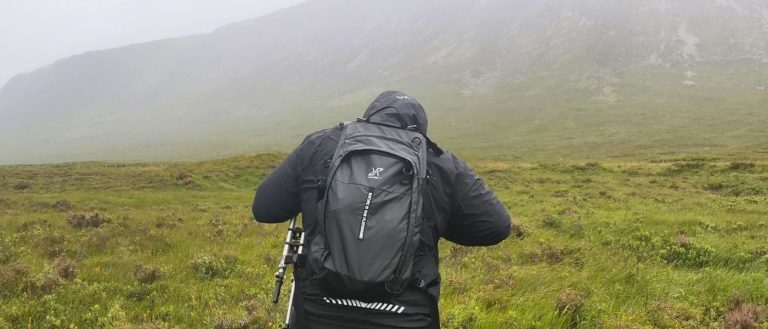
Scotland offers some of the best walking in the world, from the rolling lead hills to the rugged Munros. However, the terrain and weather are famously unforgiving. Whether you’re a local or a visitor looking for those panoramic views of glens, lochs and mountains, here is how to keep your dog safe and the farmers happy when out on long dog walks in Scotland.
Know the “Access Code”
In Scotland, we have the “right to roam,” but it comes with responsibilities. The Scottish Outdoor Access Code is clear:
Livestock: You must keep your dog under “effective control.” In practice, this means on a short lead if there are sheep or cattle nearby.
Ground-Nesting Birds: From April to July, keep your dog on a lead in moorland and forests to avoid disturbing chicks.
Bag it and Bin it: There is no “stick and flick” in the Highlands. Dog waste can carry Neospora caninum which causes cattle to miscarry. If there’s no bin, you must carry it out. https://www.msdvetmanual.com/infectious-diseases/neosporosis-in-dogs/neosporosis-in-dogs#Treatment,-Prevention,-and-Control_v3273799
Physical Prep: It’s Not Just a Park Walk
A Munro (a mountain over 3,000ft) is a serious physical undertaking for a dog.
The Vet Check: Ensure your dog’s joints and heart are up to the task.
Paw Care: Granite and scree (loose rocks) act like sandpaper on paw pads. You may injure your dog.
“Build up time walking on pavements, paths and landrover tracks to tough up their paw pads. Gradually build up the length of time a dog spends on rocky terrain and the pads will toughen naturally without injury.
Gabbro and quartz are very likely to cause injury to your dog’s paws and time on this type of rock should be limited until the dog has ‘paws of steel’.
Dog boots seem like a good idea but dogs dislike wearing them and they are prone to rubbing and slipping and can cause the pads to become waterlogged and soft and more prone to injury. There is no substitute to gradually toughening up the paws naturally.” https://www.mountaineering.scot/activities/hillwalking/taking-the-dog#:~:text=Gradually%20build%20up%20the%20length,Harness
Flea & Tick Prevention: Ticks are a major issue in the Highlands and can carry Lyme Disease. Use a vet-approved preventative before you goa and carry a tick tool.
Essential Gear for the Hill
The Right Harness: A sturdy Y-front harness with a handle is vital for helping your dog over high stiles or steep rock steps.
Hydration: Don’t rely on streams; they can dry up or be contaminated by dead livestock. Carry at least 500ml–1L specifically for the dog.
The “Doggy First Aid Kit”: At a minimum, carry cohesive bandages (that don’t stick to fur), antiseptic wipes, and a tick removal tool.
Trail Hazards to Watch For
The Weather: Temperatures drop fast on the summits. If you’re stopping for lunch in the wind, a small foam mat and a drying coat will stop your dog from seizing up with cold.
Adders: Scotland’s only venomous snake. They sunbathe on paths in spring and summer. If bitten, carry your dog (to slow the spread of venom) and head straight to a vet.
Fast Water: Scottish burns (streams) can turn into raging torrents after an hour of rain. Never force a dog to cross deep, fast-moving water.
Ticks:
Ticks in Scotland are most active from March to October and are commonly found in bracken, long grass, and heather, where they “quest” by clinging to passing hikers or dogs to hitch a ride.
To keep your dog safe, always carry a tick removal tool (rather than using tweezers, which can squeeze the tick) and perform a thorough “finger-comb” check through their fur after every walk, paying close attention to the ears, armpits, and between the toes.
Logistics & Etiquette
Transport: Most ScotRail trains allow two dogs per person for free. On buses, it’s usually at the driver’s discretion.
Accommodation: Use Google to find truly dog-friendly spots that don’t just “tolerate” pets but welcome them.
Quick Checklist Before You Go:
[ ] Is your microchip information up to date?
[ ] Do you have enough high-calorie treats?
[ ] Have you checked the MWIS (Mountain Weather Information Service) forecast?
[ ] Do you have enough poo bags for the whole trip?