After Bite Classic Is It Worth Carrying
Ask any seasoned UK outdoor instructor what truly threatens a flawless day in the hills or on the water, and they won’t tell you it’s a sudden weather front or a technical route. They’ll tell you it’s the minor, relentless miseries. It’s the horsefly that targets you on a humid climb up Scafell Pike, the hidden patch of stinging nettles (Urtica dioica) on an overgrown singletrack, or the stray jellyfish tentacle brushing your ankle as you launch a kayak off the Cornish coast. The swarm of midges found marauding around the Scottish highlands looking for their next victim.
None of these insect bites and stings are life-threatening, but they are absolute focus-killers. Constant itching and throbbing can completely ruin your concentration, your performance, and your overall enjoyment of the wild.
The Best £5 You’ll Ever Put in Your Day Sack: An Expert Review of After Bite Classic
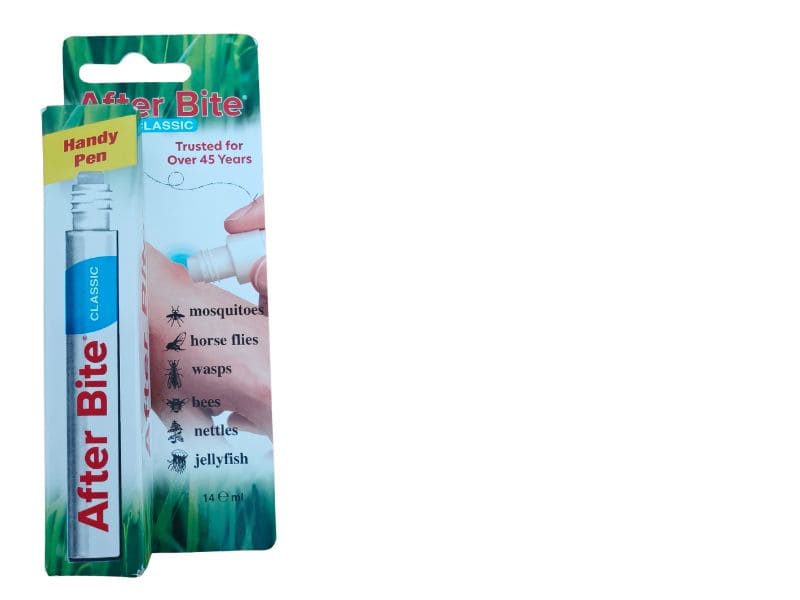
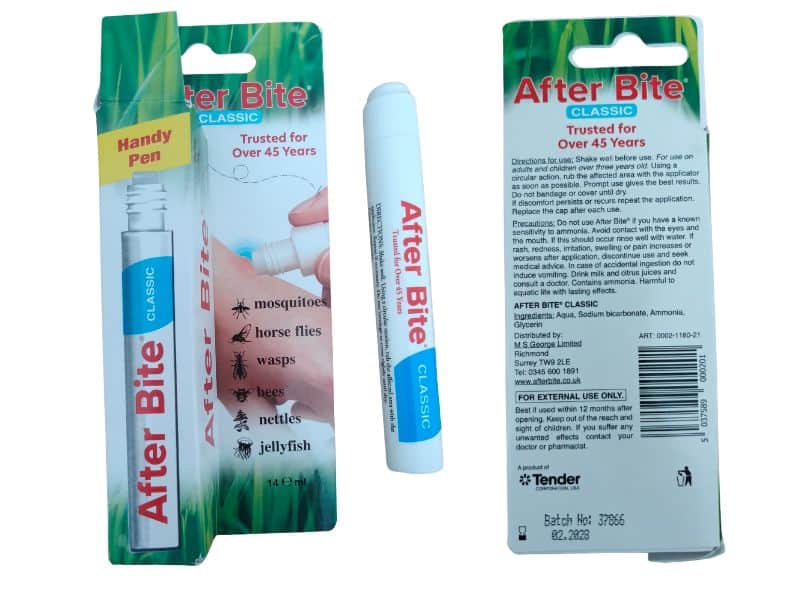
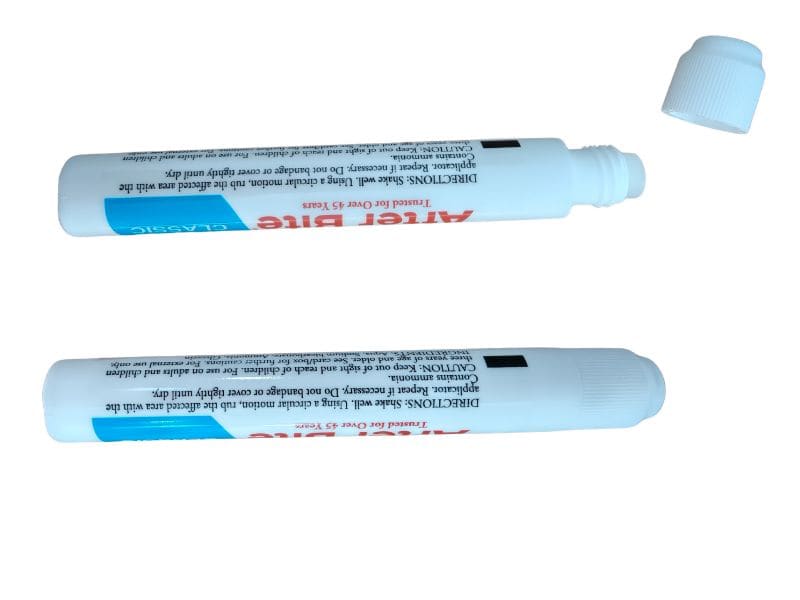
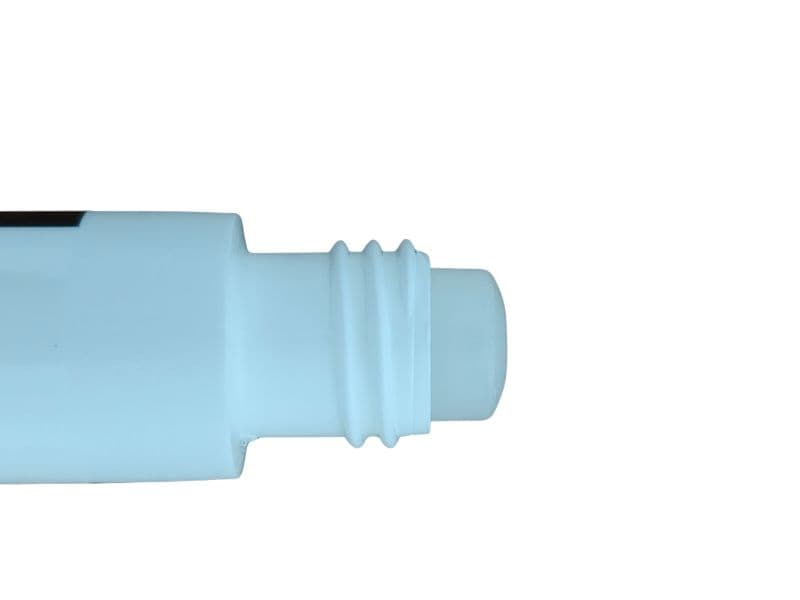
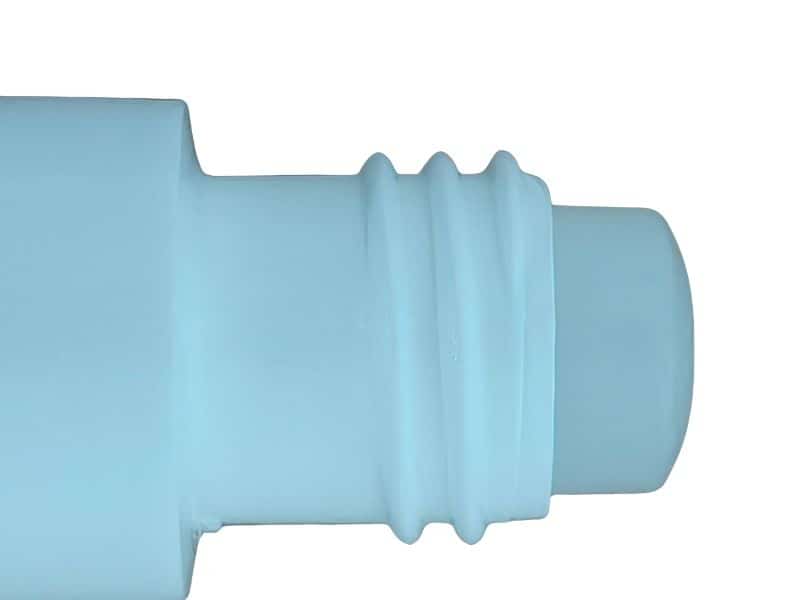
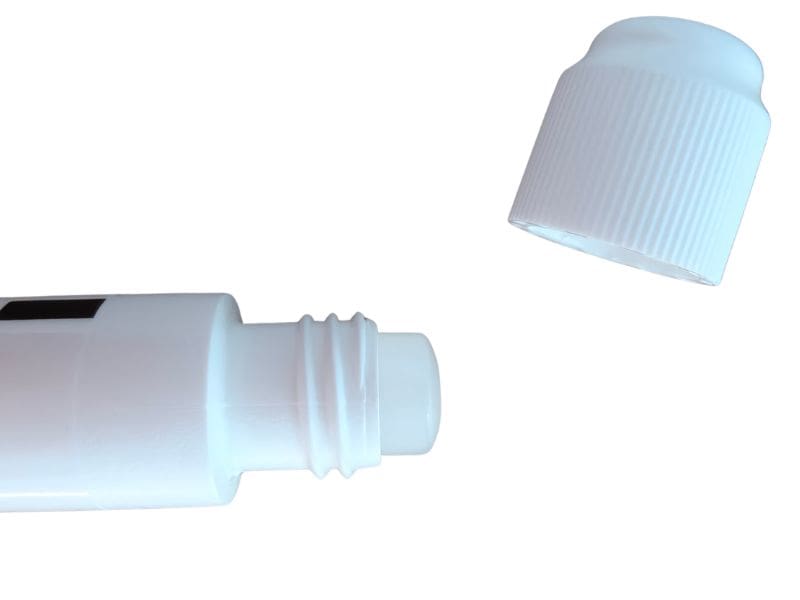
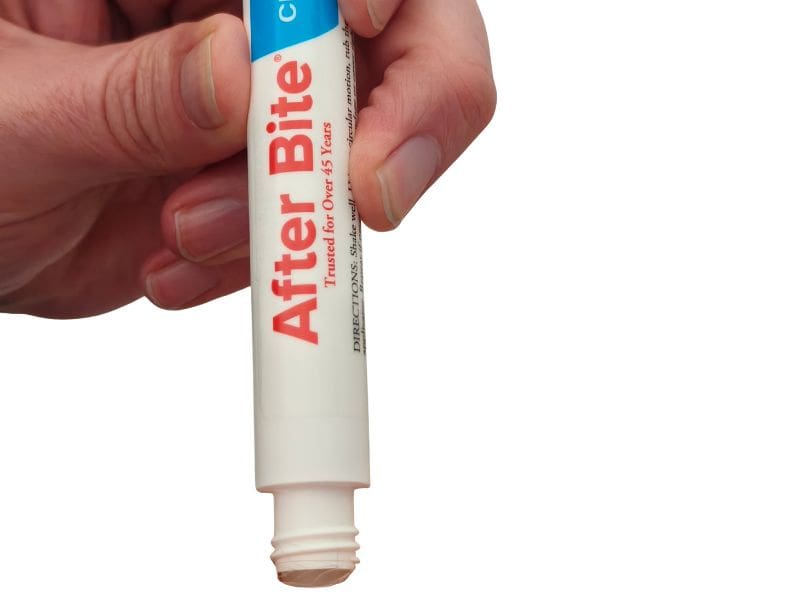
Enter a piece of kit that has been quietly tucked into the side pockets of mountain rescue teams, hikers, bush crafters, family camping kits and elite paddlers for over forty years: After Bite Classic. Packaged in an unassuming 14ml pen, this cheap, ammonia-based formula remains one of the most vital, high-utility upgrades you can make to your outdoor first-aid kit.
Here is an expert look at why this simple tool deserves a permanent spot in your day sack.
The Anatomy of After Bite: Why it Works
In the outdoor gear industry, flash-in-the-pan gadgets come and go every season. If a product remains virtually unchanged and widely trusted for over four decades, it is because it delivers under pressure.
+-------------------------------------------------------------+
|                      AFTER BITE CLASSIC                     |
|  [ 14ml Liquid Emulsion Pen ]  [ Active: 3.5% Ammonia ]      |
+-------------------------------------------------------------+
The secret to After Bite’s longevity isn’t a complex, proprietary chemical cocktail; it’s basic chemistry. The active engine of the pen is a 3.5% ammonia liquid emulsion combined with soothing sodium bicarbonate.
The Fast-Acting Science Of AfterBite
When an insect stings you or a plant brushes your skin, it introduces foreign proteins and chemical irritants into your epidermis. A wasp sting, for example, injects an alkaline venom loaded with peptides and enzymes that cause immediate pain and inflammation, while nettle hairs inject an acidic mix of histamine, acetylcholine, and formic acid.
Ammonia acts as a rapid neutralising and counter-irritant agent. When applied immediately via a circular rubbing motion, it alters the localized pH level and helps dismantle the chemical triggers before your body can launch a massive, full-blown histaminic flare-up. It effectively “mutes” the itch reflex right at the source.
Scenario Breakdown: The Day Sack Imperative For Insect Bite Relief
A common mistake is assuming bite pens are strictly for summer barbecues or tropical holidays. If you are operating anywhere in the UK, your day sack needs localized bite and sting relief. Here is how the threat profile shapes up across different outdoor disciplines:
| Outdoor Activity | The Threat Profile | Why After Bite is the Fix |
| Hiking & Trail Running | Brushing through overgrown singletracks lined with stinging nettles, or triggering a wasp nest in old logs. | Immediate application stops the “phantom itch” that destroys a long-distance pace and causes raw, scratched skin. |
| Kayaking & Paddleboarding | Encountering Compass or Lion’s Mane jellyfish tentacles on coastal launches; landing on midge-ridden riverbanks. | The sealed pen format fits securely into a buoyancy aid pocket for rapid, on-the-water relief without mess. |
| Camping & Bushcraft | Evening swarms of Highland midges or mosquitoes near stagnant tarns and woodland bases. | Halts the scratching cycle that prevents deep, restorative sleep in your tent or bivvy. |
The Expert Verdict: Weight vs Value
When optimising a pack for a day hike or a multi-day expedition, every single gram has to justify its existence except for the chocolate and coffee; they get a pass. You have to weigh the likelihood of a hazard against the penalty of carrying the solution.
The Day Sack Equation:
Weight: Under 20 grams.
Financial Cost: Roughly £4 to £6 on the UK market.
Volume: Slightly larger than a standard ballpoint pen.
The penalty for leaving it behind is a ruined afternoon of clawing at your skin. The penalty for carrying it is absolutely non-existent. It packs down smaller than a protein bar, requires zero maintenance, and handles everything from a Scottish midge to a coastal jellyfish.
How to Use The After Bite Pen for Best Results
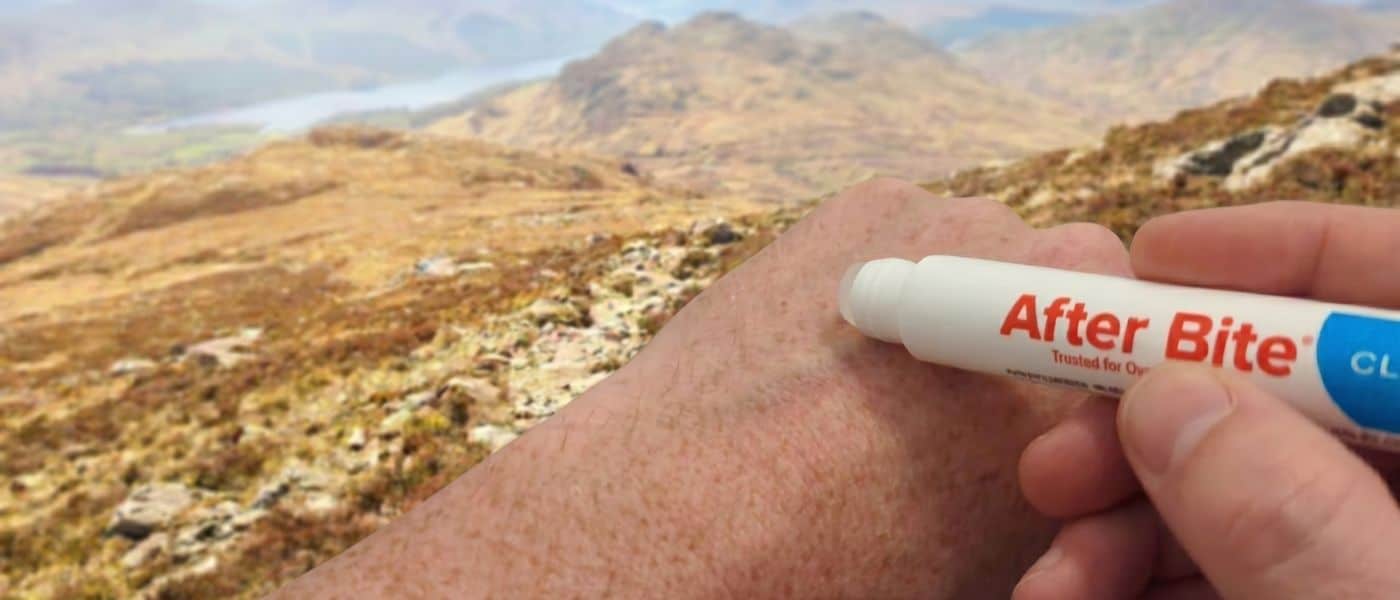
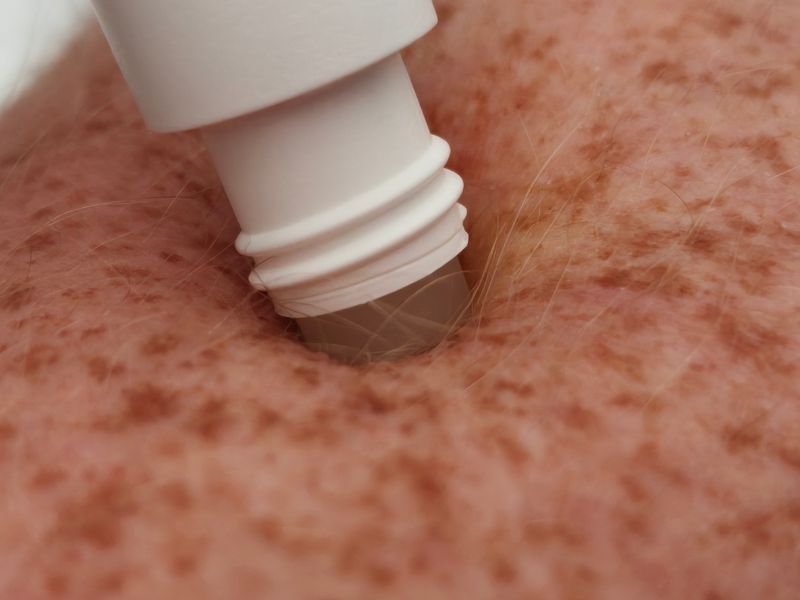
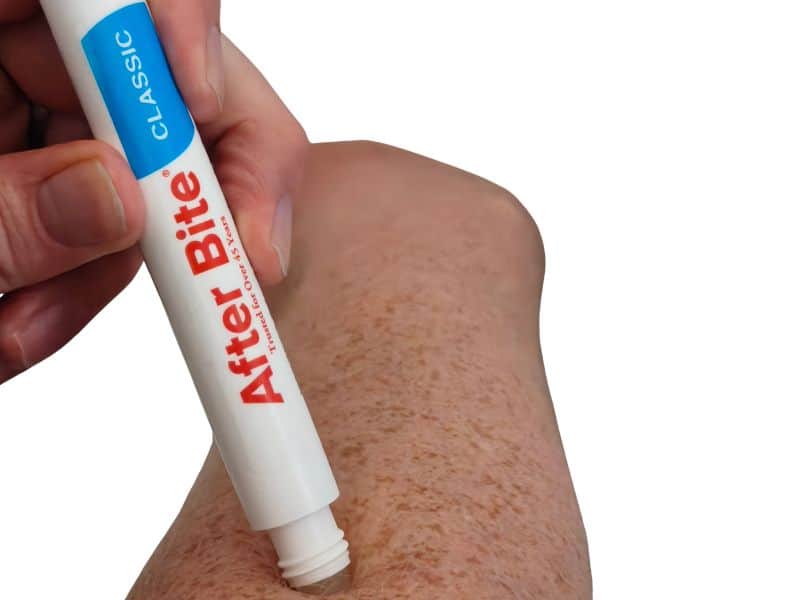
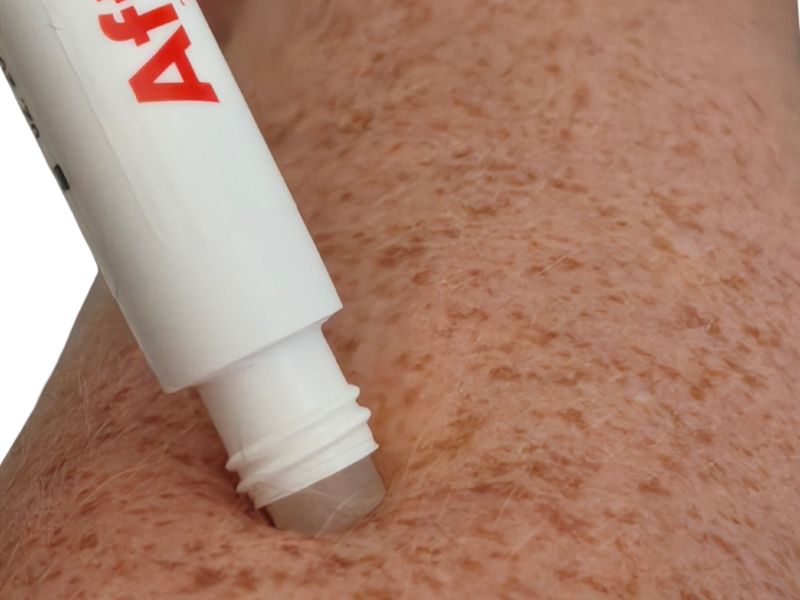
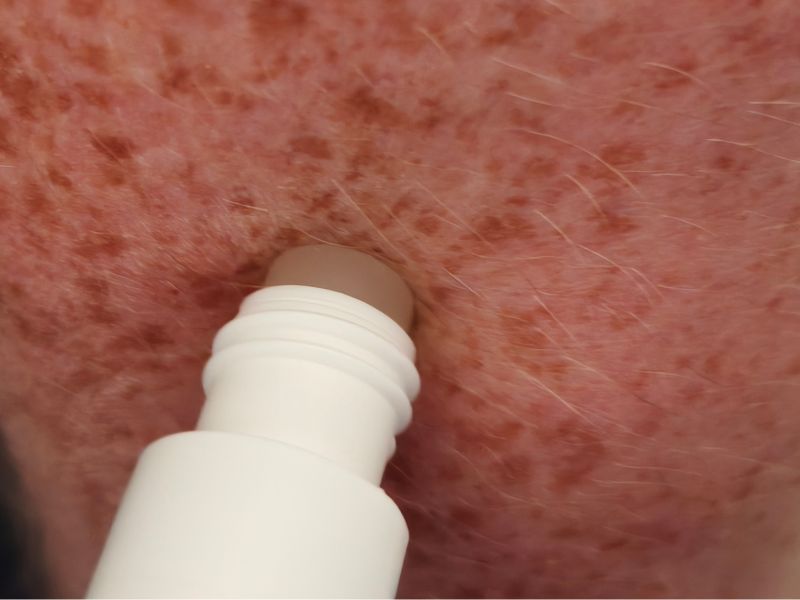
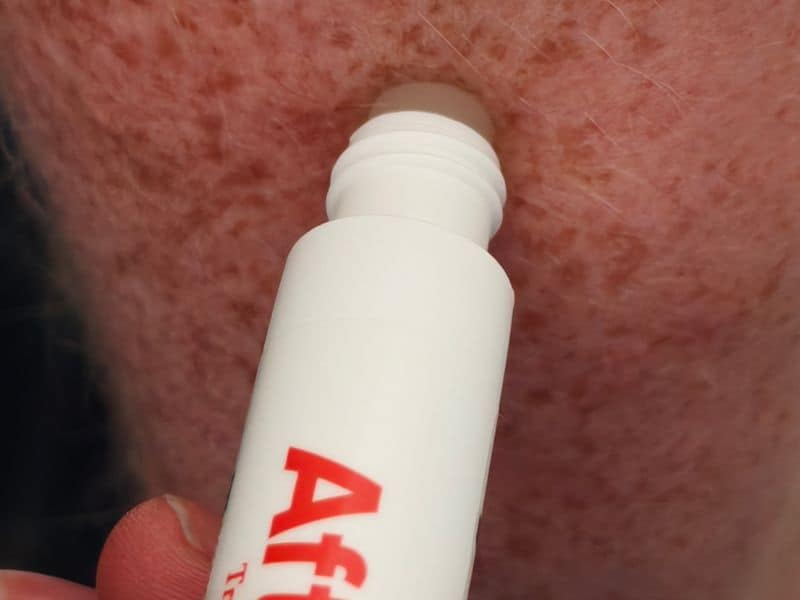
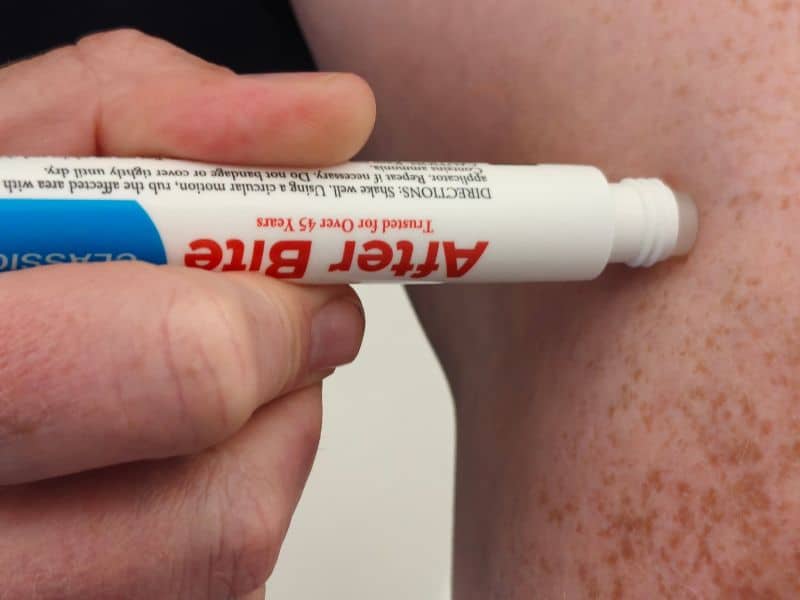
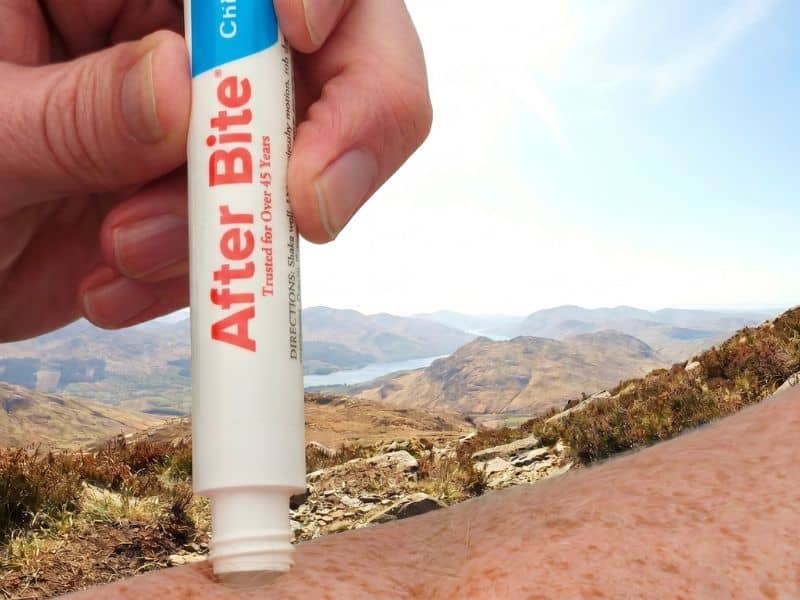
For the ammonia to do its job effectively, you need to apply it as soon as possible after the incident. Shake the pen well, press the applicator tip to the skin, and use a firm, circular rubbing motion. Let the liquid dry completely before covering it with clothing or a bandage. If the irritation tries to flare up again an hour later, simply reapply.
Note: Because it relies on ammonia, it has a sharp, familiar medicinal scent upon application, and it will give a brief, sharp sting if applied to an already scratched-open wound. Use it early to prevent the need for scratching altogether.
After Bite vs. The Alternatives: What Actually Works?
When you’re a few miles away from civilization and dealing with a raging sting, you have a few options. Here is how After Bite Classic stacks up against other common trail remedies:
1. After Bite vs. Antihistamine Creams
Topical antihistamine creams are a staple in many traditional first aid kits, but they operate on a different timeline.
The Difference: Antihistamine creams take time to absorb into the skin and block the body’s histamine receptors—meaning you have to endure the itch while the cream slowly starts working. Furthermore, thick creams have a nasty habit of melting in hot weather or exploding under pressure inside a tightly packed day sack.
The Verdict: After Bite wins on speed and packaging. Its liquid emulsion absorbs instantly to chemically neutralise the irritant right away, and the rugged, sealed pen design is completely explosion-proof.
2. After Bite vs. The “Dock Leaf” Method
Every UK hiker knows the age-old folklore: if you get stung by a nettle, find a Dock Leaf (Rumex obtusifolius), crush it, and rub it on the rash.
The Science: Despite popular belief, dock leaves do not contain a magical chemical neutralizer for nettle venom. The relief they provide is almost entirely down to the placebo effect and the cooling sensation of the plant’s sap evaporating on your hot skin. Plus, blindly reaching around in the undergrowth for a dock leaf is a great way to accidentally get stung a second time.
The Verdict: Keep the dock leaves for folklore. After Bite provides a predictable, scientifically proven chemical counter-attack that doesn’t rely on you foraging in the brush.
3. After Bite vs. Hydrocortisone (Mild Steroid) Creams
Hydrocortisone is excellent for treating long-term swelling and severe localized allergic reactions.
The Limit: It is absolutely useless for immediate, acute relief. Steroid creams can take hours to alter the cellular response and reduce inflammation. Additionally, you shouldn’t apply hydrocortisone to broken skin or open stings, making it tricky to use safely on the fly.
The Verdict: Pack the hydrocortisone in your basecamp kit for overnight healing, but keep the After Bite pen in your pocket for immediate first-line defense on the trail.
Final Thoughts
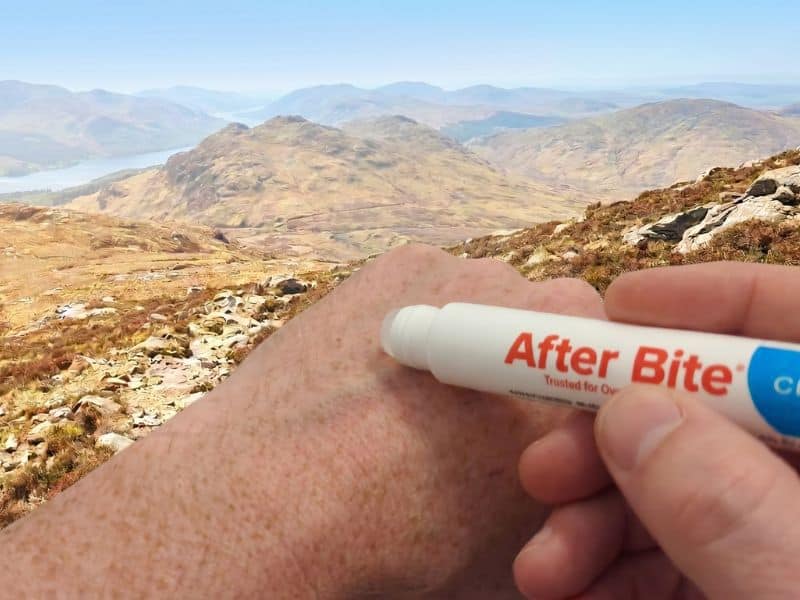
The After Bite Classic pen isn’t glamorous, and it won’t make it onto trendy outdoor gear mood boards. But from a purely practical, expert outdoors perspective, it is a flawless piece of kit. It is cheap, highly effective, lightweight, and single-handedly rescues your morale when nature decides to strike back. Stop leaving your comfort to chance—buy two or three, throw one in your hiking pack, slip one into your boat bag, and one in your first aid kit and then just leave them there. You will thank us later.