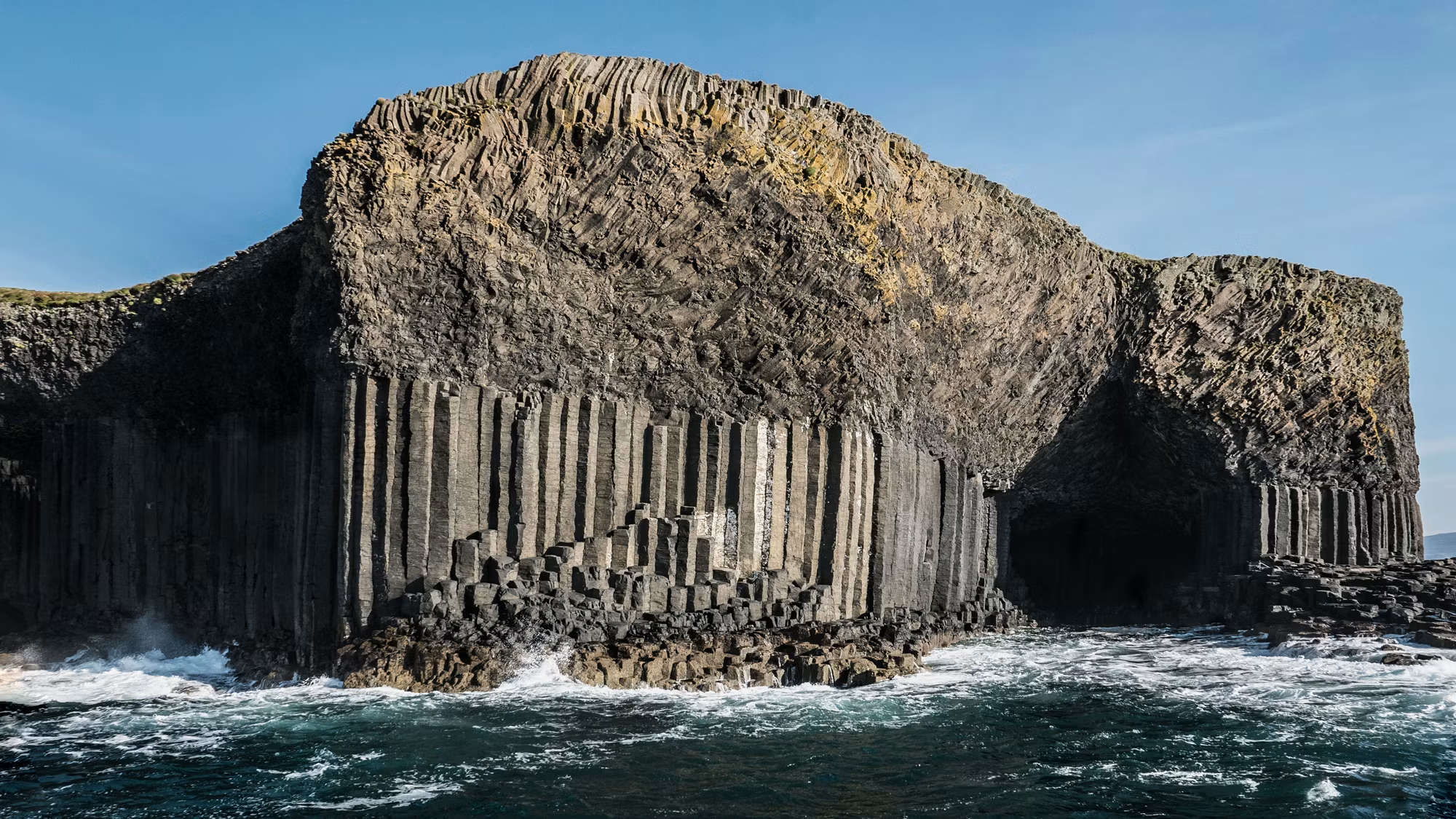
Everyone seems to have heard of Northern Ireland’s Giant’s Causeway, but few know of Scotlands Giants Causeway. PS: Giants are not real! Stepping onto the Isle of Staffa feels less like a boat trip and more like a voyage to another planet. This tiny, uninhabited island off the west coast of Scotland is a geological masterpiece, dominated by dramatic hexagonal basalt columns that rise from the Atlantic like the pipes of a sunken cathedral. The air here is thick with the scent of salt and the echoing cries of seabirds, creating a rugged, primordial atmosphere that has captivated explorers for centuries.
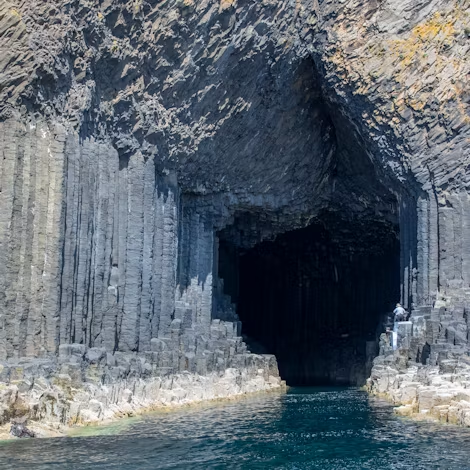
The crown jewel of this volcanic landscape is Fingal’s Cave, a massive sea cave formed from the same ancient lava flows as the infamous Irish Giant’s Causeway. Inside, the towering, geometric walls create a hauntingly beautiful acoustic chamber, where the rhythmic surge of the ocean transforms into a deep, melodic hum. It is a place of immense scale and eerie stillness, where the sheer power of nature is etched into every perfectly formed stone pillar.
Fingal Cave The Route
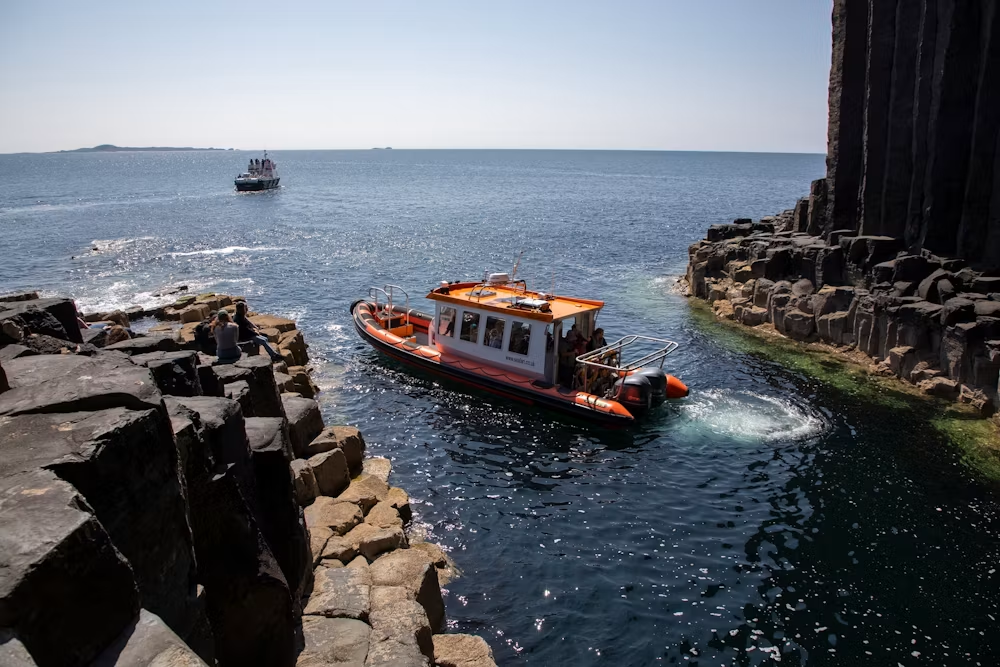
The journey begins with a boat departure from the Isle of Mull (typically from Fionnphort or Ulva Ferry). As you navigate the Atlantic waters, keep a sharp lookout for local residents—seals, dolphins, and even basking sharks are frequent companions on the crossing. Upon reaching Staffa, the vessel moors at a small rugged landing point.
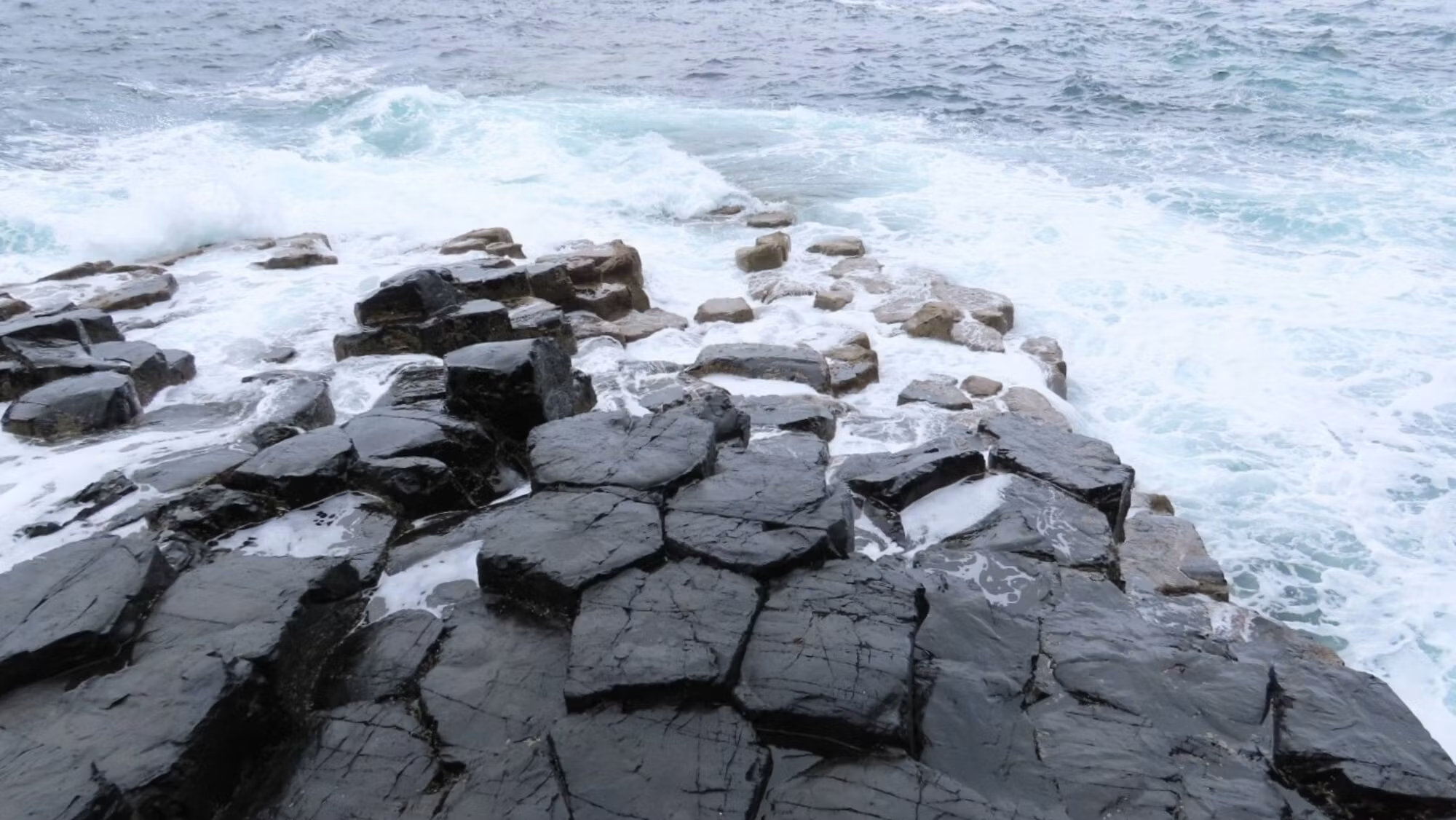
From the pier, follow the established walking path equipped with safety handrails that skirt the base of the towering cliffs. You will walk directly atop the hexagonal basalt formations, which serve as a natural, albeit uneven, stone pavement. The path leads you directly into the mouth of Fingal’s Cave. After marveling at the interior, you can ascend the staircase to the island’s grassy plateau to take in panoramic views of the Hebrides before returning to the boat.
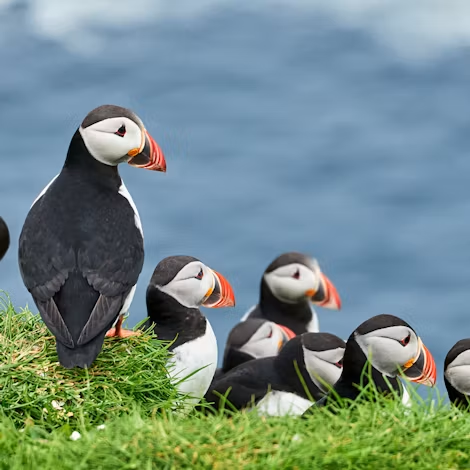
This whole area is a national trust for Scotland site, and as well as the volcanic rock columns this unique landscape is home to black guillemots, eiders, fulmars and puffins.
Adventure Logistics Getting to Staffa
| Location | Route Type | Timings | Difficulty | Estimated Cost (2026) |
| Staffa (via Fionnphort/Ulva) | Circular (Island loop) | 3 – 4 Hours (inc. boat) | Moderate | £45 – £55 (Boat Tour) |
| Landing Pier | Out-and-back (to cave) | 1 Hour (time ashore) | Moderate | Free (Island access) |
| Fionnphort Pier | N/A (Trailhead) | N/A | Easy | £5 – £10 (Parking/Fuel) |
Expert Tips
The “Right to Roam” & Wildlife: While Scotland’s Right to Roam (Scottish Outdoor Access Code) allows you to explore the island freely, always stay on marked paths near the cliffs to protect the fragile puffin burrows. Between April and July, the island is a major nesting site; keep a respectful distance from the birds.
Marine Conditions: Access to the cave is entirely dependent on the Atlantic swell. Even on a sunny day, heavy surges can make landing on the island or entering the cave impossible. Always check with your boat skipper on the morning of departure for the latest safety briefing.
Footwear is Non-Negotiable: The basalt columns can be incredibly slippery when wet and are naturally uneven. Leave the trainers at home; high-traction hiking boots with good ankle support are essential for navigating the rock formations safely.
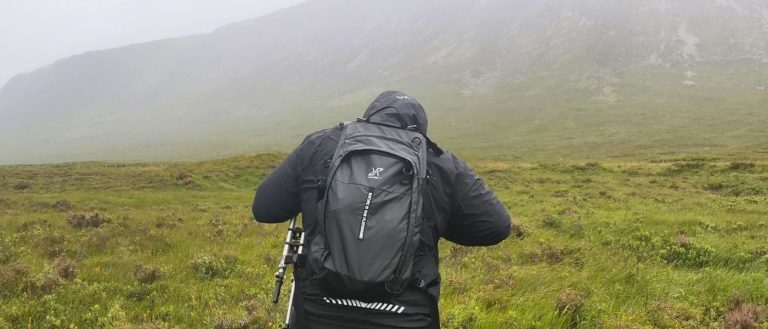
Layer for the Atlantic: Even in the height of summer, the wind on the island’s plateau can be biting. Bring a waterproof and windproof shell, even if it looks clear on Mull. The weather out at Staffa is notoriously unpredictable.
To complement your adventure guide, here is the essential route to reach the jumping-off point for Staffa.
Most travelers arrive on the Isle of Mull via the ferry from Oban to Craignure. From there, you must traverse the island to reach the boats heading for Staffa.
The drive from Craignure to the Fionnphort Pier takes approximately 1 hour and 15 minutes. While the distance is only about 56 km (35 miles), the route consists primarily of narrow, winding single-track roads with passing places. It is a stunning drive through the heart of Mull’s rugged interior, but you should allow plenty of time to reach your boat departure.
Route Details:
Start: Craignure
Finish: Caledonian MacBrayne | Fionnphort
Travel Time: ~1 hour 15 mins
Road Type: A849 (Predominantly single-track)
View the driving route on Google Maps
Images taken from https://www.nts.org.uk/visit/places/staffa
For more info https://www.nts.org.uk/visit/places/staffa