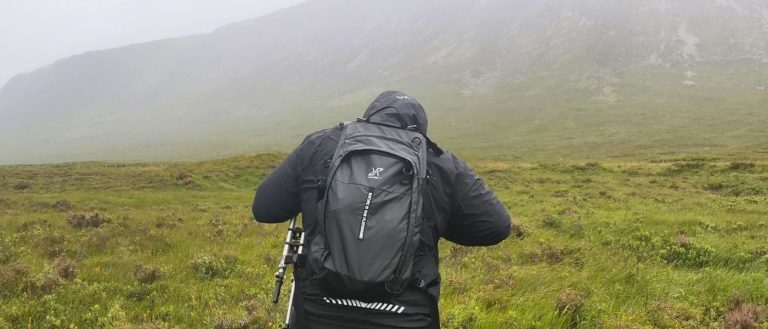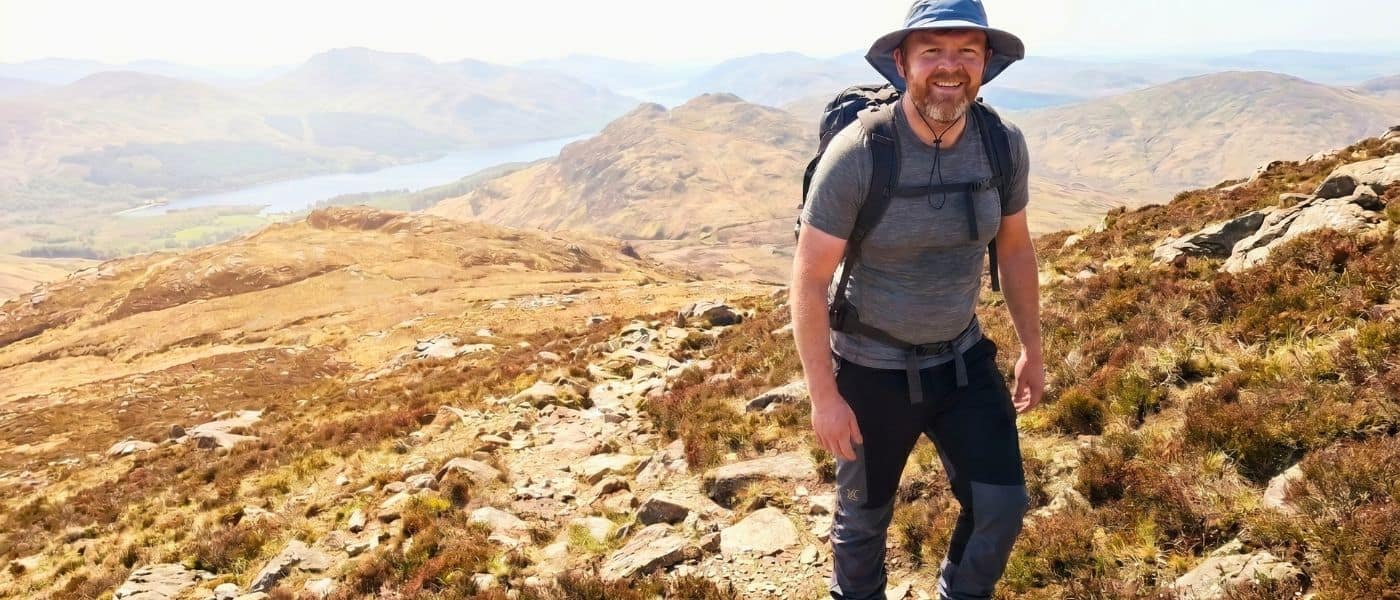
There is nothing quite like a blue-sky day in the British hills. When the murky grey clears and the temperature spikes past 25°C, the landscapes of the Lake District, Eryri (Snowdonia), and the Scottish Highlands look world-class.
But anyone who has climbed a Munro or scrambled up a Lakeland fell in a true UK heatwave knows our climate hits differently. High humidity, a lack of natural shade above the tree line, and intense UV exposure can turn a classic mountain day into a grueling battle against heat exhaustion. Hence why we wrote!
The Ultimate Guide to Hiking in a UK Heatwave
So, whether you are a beginner tackling your first major hill or an experienced peak-bagger looking to adapt your pace, this comprehensive summer hiking guide ensures you conquer the heat safely.
1. The Pre Hike Planning Phase
A successful hot-weather hike is won before you even lace up your boots. When a heatwave strikes the UK, standard logistics change entirely. Why, we are an island of mediocre. Siberia doesn’t ground to a halt at -10C, Nevada or Dubai doesn’t grind to a halt at 32C – we do!
Beat the “Hottest Hours” Window
The UK sun is at its most punishing between 11:00 AM and 3:00 PM.
The Strategy: Become an early riser. Aim to be at the trailhead by 5:00 AM, 6:00 AM or 7:00 AM. Climbing the steepest elevation during the cool of the morning preserves your energy and keeps your core temperature down.
Alternative: Consider a late afternoon “sunset hike,” ensuring you carry a head torch with fresh batteries for the descent. Late hikes are doable at the height of summer. On June 21st in Inverness, the sun rises around 4:14 AM and sets around 10:19 PM, providing about 18 hours and 5 minutes of daylight, long days for full adventures.
Expect Serious Traffic and Parking Chaos
When the mercury tops 25°C, half the UK heads to the national parks. Popular honey-pot locations like Pen y Fan, Scafell Pike, or Ben Nevis fill up rapidly.
The Strategy: If you aren’t parked by 7:30 AM, you may not get a space. Have a clear “Plan B” route that starts from a quieter, less exposed valley. Avoid parking on narrow verges; blocking rural roads can prevent local farmers and Mountain Rescue vehicles from getting through. Or better still just avoid these locations and enjoy a less popular spot.
Map Out Your “Cool Zones” and Water Sources
When planning your route on OS Maps, look for topographic features that offer respite from the sun.
Shade: Above the tree line, shade is virtually non-existent. Prioritise routes that wind through deep valleys, gills, or dense woodlands for the midday portion of your trek. Hunker down behind a large boulder for example.
Drying Streams: Do not rely on seasonal mountain streams for water refills during a prolonged dry spell; many smaller high-altitude water sources dry up completely. Carry all the water you need to stay hydrated in the heat.
2. Advanced Hydration Strategies
In 25°C+ weather, simple thirst cues are a sign that you are already lagging behind. Your body burns through water and essential minerals at an accelerated rate when ascending steep gradients.
Pre-Hydration is Your Secret Weapon
Don’t start drinking water when you hit the trail. Drink roughly 500ml to 1 Litre of water in the two hours before your hike starts. This primes your muscles and keeps your brain functioning sharply.
The Sip Principle vs. Chugging
Your body can only efficiently absorb around 500ml of water per hour. Chugging a full litre in one go will simply dilute your blood, reduce mineral concentrations, and send you hunting for a bathroom break.
The Solution: Use a hydration bladder rather than bottles. Having the bite-valve readily accessible encourages you to take small, frequent sips every 10–15 minutes.
Never Forget Electrolytes
Sweating flushes out vital sodium, potassium, and magnesium. Drinking plain water exclusively during a strenuous mountain day can lead to hyponatremia (water intoxication), causing severe cramping, headaches, and fatigue.
The Solution: Drop an electrolyte tablet or powder into at least half of your carried water supply. When you dehydrate, rehydrate – Saye it with me. hahaha
3. The Summer Kit List: What to Wear and Pack
It is a natural impulse to strip down to a vest and shorts when it gets hot, but on an exposed ridge, this leaves you incredibly vulnerable to intense UV rays and windburn.
| Gear Item | The Hot-Weather Choice | Why It Matters |
| Base Layer | Lightweight, light-coloured, loose-fitting synthetic fabrics or fine Merino wool (150-180gsm). | Reflects solar radiation, wicks sweat instantly, and creates a cooling airflow across the skin. Avoid cotton. |
| Sun Protection | Broad-spectrum SPF 30+ (or higher) sun cream with a 4 or 5-star UVA rating. | Apply 20 minutes before setting off and reapply strictly every 2 hours, especially where sweat washes it away. |
| Headwear | Wide-brimmed sun hat or a technical cap with a protective neck flap. (Sunday Afternoons Adventure Hat) | The scalp, forehead, and back of the neck are primary sunburn zones. |
| Footwear | Lightweight trail shoes, breathable hiking trainers, or lightweight summer boots paired with moisture-wicking socks. | Hot feet swell and sweat, creating the perfect recipe for friction and painful blisters. Carry blister patches. |
Pro Peer Tip: Pack a lightweight scarf or a multi-functional headwear wrap (like a Buff). If you pass a safe, clean mountain stream or tarn, dunk it in the icy water and wrap it around your neck or head. The evaporation provides an instant, dramatic drop to your core temperature.
4. Digital Warning: Protect Your Lifeline
Many hikers now rely entirely on smartphones for navigation via apps like OS Maps or Outdooractive. However, modern smartphones are highly sensitive to ambient heat and direct sunlight. Unless you’re using a Ulefone Rugged smartphone!
Overheating Risk: A phone kept in a hot pocket or exposed on a shoulder strap can easily overheat, triggering an automatic thermal shutdown. If this happens, you lose your navigation and your ability to call for help.
The Strategy: Keep your phone stored in an internal compartment of your pack away from direct sunlight. Switch it to low-power mode, turn down the screen brightness, and turn off unnecessary background tracking (like Bluetooth and roaming) to conserve battery.
The Golden Rule: Always carry a physical paper map and a magnetic compass as a non-negotiable backup and know how to use it! Read our navigation basics here.
5. Recognising Heat Illnesses on the Hill
When hiking in a group, you must look out for one another. Heat illnesses can escalate rapidly on an exposed hillside where rescue assistance could be hours away.
Heat Exhaustion (The Warning Sign)
Symptoms: Heavy sweating, pale or clammy skin, dizziness, headache, nausea, fast pulse, and muscle cramps.
Action Required: Immediately move the person into whatever shade is available. Have them lie down and elevate their feet slightly. Give them small, frequent sips of water or an electrolyte drink. Cool their skin by splashing them with water and fanning them.
Heatstroke (The Medical Emergency)
If there is no improvement after 30 minutes of treatment for heat exhaustion, it can develop into heatstroke. This is a life-threatening emergency.
Symptoms: Confusion, altered mental state, lack of sweating despite being intensely hot, a body temperature above 40°C, rapid breathing, or loss of consciousness.
Action Required: Dial 999 immediately, ask for the Police, and request Mountain Rescue. While waiting, continue trying to cool the casualty by placing wet clothing around their neck and armpits. If they lose consciousness, place them in the recovery position.
6. Countryside Code & Environmental Safety
The dry conditions brought on by a UK heatwave mean our rural landscapes are at extreme risk.
Wildfire Hazard: Tinder-dry grass and heather catch fire with terrifying speed. Never light a campfire or use a disposable barbecue on open moorland or mountain terrain. If you smoke, ensure matches and cigarettes are completely extinguished and taken home with you.
Leave No Trace: Pack out everything you pack in. Hot weather speeds up the decomposition of food waste, which attracts pests and ruins the trail experience for others. Take your rubbish home.
Livestock Wisdom: Hot weather stresses farm animals. Give cattle and sheep a wide berth, make sure to close all countryside gates securely behind you, and keep dogs on a short lead to prevent them from chasing livestock toward dangerous crags.
By adjusting your pace, starting early, and respecting the power of the sun, you can enjoy a flawless, safe, and memorable summer day out in the great British hills.
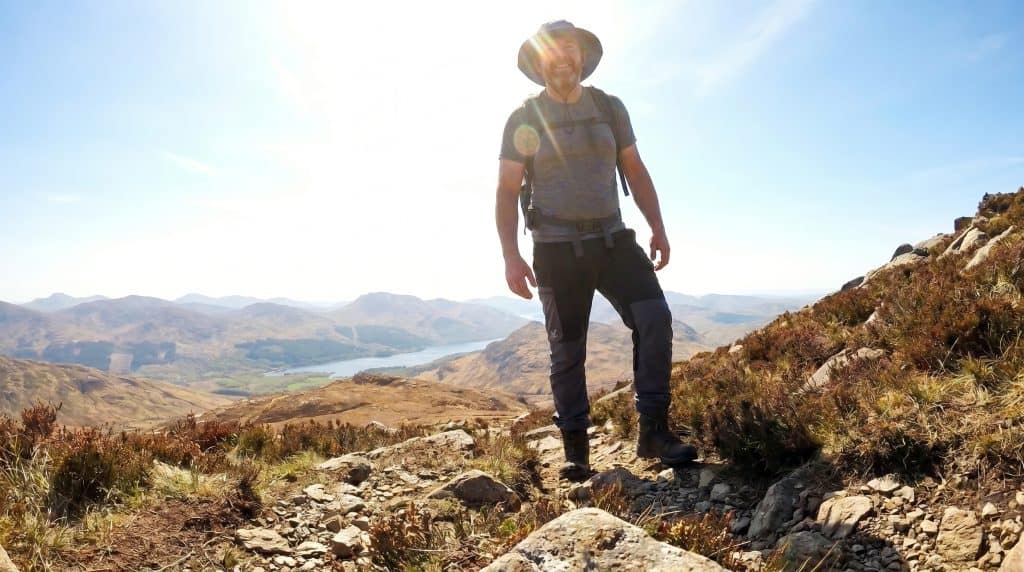
The Hot-Weather Mountain Packing Checklist
1. Hydration & Nutrition (The Priority Zone)
[ ] Minimum 2 to 3 Litres of Water: A hydration bladder is preferred for regular sipping, plus a backup bottle.
[ ] Electrolyte Replacements: Tablets or powder sachets to mix into your water to prevent cramping and fatigue.
[ ] High-Energy, Salty Snacks: Mixed nuts, pretzels, flapjacks, or specialised sports chews. Avoid chocolate or anything that melts into a mess in a hot pack.
[ ] Emergency Rations: An extra 500 calories of food (like energy bars) kept at the bottom of your pack just in case you are delayed.
2. Clothing & Sun Protection
[ ] Sunscreen: High SPF (30 or 50) with broad-spectrum UVA/UVB protection, packed in an accessible pocket for frequent reapplication.
[ ] UV-Blocking Lip Balm: Protects lips from cracking under intense mountain glare.
[ ] Polarized Sunglasses: Rated Category 3 or 4 to shield your eyes from high-altitude UV radiation.
[ ] Wide-Brimmed Sun Hat or Technical Cap: Keeps direct sun off your face, scalp, and the back of your neck.
[ ] Lightweight Multi-wrap (Buff): Can be dunked in streams to cool your neck or head.
[ ] Packable Shell Layer: A lightweight waterproof/windproof jacket. Weather in the UK mountains can turn instantly, and high-altitude ridges can still feel cool if a breeze picks up.
3. Navigation & Tech Safety
[ ] OS Landranger or Explorer Map: For your specific route area (paper or laminated).
[ ] Magnetic Compass: Essential fallback navigation that never runs out of battery.
[ ] Fully Charged Smartphone: Stored in an internal pocket away from direct sunlight to prevent thermal shutdown.
[ ] Portable Power Bank & Charging Cable: Hot conditions and active GPS tracking drain phone batteries rapidly.
[ ] Headtorch with Fresh Batteries: Non-negotiable, even on a day hike. If heat slows you down or an injury occurs, you may end up descending after dusk.
4. First Aid & Emergency Essentials
[ ] Blister Kit: Compeed or similar hydrocolloid patches, athletic tape, and antiseptic wipes (sweaty feet blister quickly).
[ ] Personal First Aid Kit: Painkillers, antihistamines (for insect bites or high hay fever counts), and any personal medication.
[ ] Tick Removal Tool: High summer in the bracken and heather means peak tick season.
[ ] Insect Repellent: Especially critical if hiking in Scotland (the midges) or damp valley bottoms.
[ ] Survival Bag or Emergency Bivy: A lightweight, high-visibility polythene bag. It takes up no space but can save a life if you have to wait for Mountain Rescue.
[ ] Whistle: The international mountain distress signal is six short blasts, pause for a minute, and repeat.
The “Before You Go” Routine: Check the Mountain Weather Information Service (MWIS) or the Met Office mountain forecasts right before leaving. Ridge-line wind speeds and summit temperatures can differ drastically from the conditions down in the valley parking lot.