
Having the right walking boots can be the difference between pain and paradise. When you start to take your walking, hiking, rambling and mountain bagging seriously, there suddenly become oh so many important variables to consider when buying a new pair of walking boots. But do not worry, our guide is here to help you navigate the grips, soles, midsoles and more.
Below you will find bestoutdoors.co.uk key breakdown of the most important factors to prioritise when buying hiking boots. We will dive in depth into each aspect for those looking for all the details. We recommend everyone check all the details; your feet are worth it!!
Okay, let’s find you a new pair of hiking boots.
What Are Hiking Boot Buyers Really Looking For?
From our experience owning and walking many a hill in multiple boots and combining that with reading many hundreds of hiking boot reviews, we can conclude that a typical hiker is looking for information on several key aspects. Here’s a breakdown of what we hikers priorities:
Weather
Hikers want to know if the boot is a 3-season boot designed for spring, summer, and autumn hiking. A boot that focuses on lighter weight, breathability, and flexibility. Typically suitable for general hiking trails (these are the mass majority of hiking boots bought).
Or 4-season boots that are engineered to handle the demands of winter mountaineering and severe weather. These priorities warmth, durability, and robust support, featuring stiffer soles, higher ankle support, and insulation to withstand freezing temperatures and snow.
Comfort and Fit:
This is paramount. Hikers want to know if the boots are comfortable for long distances, if they cause blisters, and if they fit true to size.
They’re interested in how the boots feel with hiking socks and how they accommodate different foot shapes.
Durability:
Hikers need boots that can withstand rugged terrain. They want to know how well the boots hold up over time, if the soles wear out quickly, and if the stitching is strong.
They are interested in the durability of the materials used in the boot.
Water Resistance/Waterproofing:
Whether the boots keep their feet dry in wet conditions is crucial. Buyers want to know how well the boots perform in rain, puddles, and stream crossings. Also, how fast the boots dry if they get wet.
Traction and Grip:
Hikers need boots that provide reliable traction on various surfaces, including rocks, mud, and slippery trails.
Buyers are looking at the effectiveness of the outsole and lug pattern.
Ankle Support:
For those hiking on uneven terrain or carrying heavy packs, ankle support is essential. Buyers want to know how well the boots stabilise the ankles and how good they are at preventing injuries.
Weight:
Lighter boots can reduce fatigue on long hikes. Hikers want to know the weight of the boots and whether they feel bulky or lightweight on their feet.
Breathability:
Good breathability helps prevent sweaty feet and blisters. Hikers look for brands that mention how well the boots ventilate and keep their feet cool.
Break-in Period:
How long does it take to break in the boots? Is there a long period of discomfort before the boots feel good?
Value:
Hikers want to know if the boots are worth the price. They consider the balance between performance, durability, and cost.
In essence, we hikers are seeking reliable information that helps us make informed decisions about which boots will best suit our needs and hiking style.
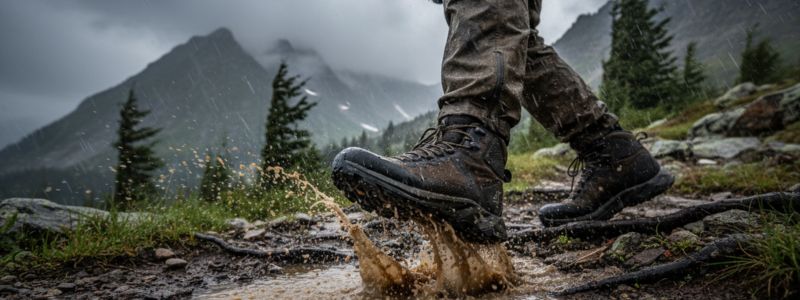
Introduction: Stepping Out in Comfort – Why the Right Walking Boots Matter in the UK
The United Kingdom, with its diverse tapestry of landscapes, offers unparalleled opportunities for walking and hiking enthusiasts. From the rugged coastlines of England, Wales and Scotland to the rolling hills of the Lake District, The Quantocks, Cheviot Hills and the challenging peaks of Snowdonia. The Scottish Highlands, Perthshire and the Grampians have an undeniable appeal for exploring the outdoors on foot. Central to a comfortable, safe, and enjoyable experience on these varied terrains is the selection of appropriate walking boots. Footwear that is well-suited to the specific demands of UK trails and weather plays a critical role in preventing discomfort, reducing the risk of injury, and ultimately enhancing the overall enjoyment of any outdoor adventure.
The climate across the UK is known for its variability. Individuals embarking on a hike might encounter sunshine, sudden downpours, muddy paths, and even patches of snow, particularly in upland areas, regardless of the season. This inherent unpredictability underscores the need for walking boots that are not only comfortable and supportive but also capable of handling a range of conditions. Choosing the right pair can seem like a daunting task, given the multitude of options available. However, this guide aims to demystify the process, providing a comprehensive overview of the different types of walking boots, essential features for the UK market, popular brands, and crucial advice on how to select, fit, and care for your footwear, ensuring every step taken on UK soil is a confident one.
UK Weather And Boot Choice.
When considering hiking footwear, the terms “3-season” and “4-season” are often thrown about. Theses terms refer to the boots’ intended usage across varying weather conditions.
3-season boots are designed for spring, summer, and autumn hiking, focusing on lighter weight, breathability, and flexibility. They are typically suitable for general hiking routes, backpacking trips in moderate climates, and situations where agility and comfort are prioritised. These boots often offer good water resistance but may not provide sufficient warmth or support for harsh winter conditions. The vast majority of hiking boots sold are 3 season boots.
Conversely, 4-season boots are engineered to handle the demands of winter mountaineering and severe weather. They prioritise warmth, durability, and robust support, featuring stiffer soles, higher ankle support, and insulation to withstand freezing temperatures and snow. These boots are often compatible with crampons, making them essential for icy terrain and technical climbs. While their rugged construction provides exceptional protection, 4-season boots tend to be heavier and less flexible, making them less ideal for casual hiking in warmer months. The choice between these boot types depends heavily on the hiker’s intended activities and the environmental conditions they expect to encounter.
A general rule of thumb is that if you’re a novice or intermediate weekend warrior that loves bagging Munros you are looking for 3 season boots. For those experienced enough to consider winter mountaineering, we assume that by then will know the difference between these two categories of boots.

Hiking Boot Construction Buyer’s Guide
Understanding Your Foot’s Foundation. Choosing the right hiking boot is less about the brand and more about understanding its structure. Every component, from the Upper that shields you from the elements to the Outsole that provides grip, plays a critical role in comfort, safety, and performance on the hills. This guide breaks down the eleven key features of boot construction, helping you identify which materials and designs are best suited for your specific hiking terrain and load requirements. Investing time in understanding these layers will ensure you purchase a boot that feels custom-made for your adventures.
1: Upper
The Upper is the main body of the boot and defines its durability, weight, and water resistance. It can be made from full-grain leather for maximum longevity and water protection, split-grain leather combined with nylon mesh for breathability and less break-in time, or synthetic materials for a lighter weight and faster drying time. For most serious hiking, look for a waterproof, breathable membrane (like GORE-TEX or an equivalent) integrated into the upper construction. The overall height of the upper (low-cut, mid-cut, or high-cut) dictates ankle support and stability on uneven terrain.
2: Insole
The Insole, or footbed, is the removable layer resting directly beneath your foot. While standard insoles offer basic cushioning, for some they are the first component they upgrade to improve fit and support, I do not. A good insole supports the arch and positions the heel, which is critical for alignment and preventing fatigue and foot pain over long distances. While the boot’s comfort starts here, a custom or aftermarket insole may be necessary for the best performance and injury prevention, especially for hikers with specific foot profiles.
3: Midsole
The Midsole is the crucial shock-absorbing layer between the insole and the outsole, directly responsible for cushioning your foot from impact and providing energy return. The two primary materials are EVA (Ethylene-Vinyl Acetate), which is softer, lighter, and offers excellent shock absorption but tends to compress and lose its bounce over time, and Polyurethane (PU), which is denser, more durable, and generally found in stiffer, heavy-duty backpacking boots for superior load-carrying support. The midsole’s thickness and material are key determinants of the boot’s overall stiffness and comfort.
4: Shank
The Shank is a semi-rigid insert, usually made of steel, plastic, or fiberglass, sandwiched between the midsole and the outsole. Its primary job is to provide structural support, especially stiffness and stability, under the arch of the foot. This stiffness is known as torsional rigidity, (Older readers may remember the famous Adidas Torsion trainers!) which prevents the boot from twisting and bending excessively. A full-length shank is ideal for carrying heavy loads over rocky or uneven trails as it protects the foot from sharp objects and reduces strain on the Achilles tendon and arches. Look for a shank if you plan to carry heavy packs or tackle technical terrain.
5: Outsole
The Outsole is the boot’s first point of contact with the ground and is all about traction. It is typically made from durable rubber compounds. A good outsole must balance stickiness (grip) with hardness (durability). The key feature is its design, which includes the pattern, depth, and orientation of the lugs (see point 10). When reviewing, check the rubber compound—some brands use proprietary rubber like Vibram, known for its excellent blend of traction and wear resistance—which is a sign of a quality boot intended for serious use.
6: Toe Bumper
The Toe Bumper, also known as the rand, is a reinforced area—often a piece of hard rubber or synthetic material—that wraps up from the outsole and covers the front of the boot. Its purpose is purely protective: to shield your toes and the material of the boot’s upper from impact against rocks, roots, and scree. This feature is essential for maintaining the boot’s integrity and extending its lifespan, especially for hikers who frequently move through rocky or technical terrain. A thick, securely stitched or bonded toe bumper is a hallmark of a rugged, durable hiking boot.
7: Ankle Cuff
The Ankle Cuff is the padded, topmost portion of the boot that wraps around the lower leg. Its main function is to provide comfort, prevent chafing, and seal the boot opening to keep out debris, like small rocks and dirt. On mid- and high-cut boots, the cuff is strategically padded and shaped to lock the heel in place while allowing the ankle to articulate naturally for proper hiking motion. For maximum support, the cuff should be firm but well-cushioned, sitting comfortably without digging into the Achilles tendon.
8: Locking Eyelet
Locking Eyelets are a simple but highly effective lacing feature, typically located right at the bend of the ankle on mid- and high-cut boots. They are designed to “lock” the laces in place, allowing a hiker to apply different tension to the lower foot area than the upper ankle cuff area. This is invaluable for downhill hiking, as it allows you to cinch the heel area tightly to prevent foot sliding (which causes toe bruising), while still leaving the ankle cuff slightly looser for comfort and flex on the ascent. Look for sturdy metal locking mechanisms for reliability.
9: Heel Cup
The Heel Cup is the rigid structure built into the back of the boot that cradles and stabilises the heel. This component, often plastic or stiffened leather, works in conjunction with the ankle cuff and lacing system to ensure the heel stays locked in place. Preventing heel lift—the movement of the heel up and down inside the boot while walking—is the heel cup’s most critical function, as friction from heel lift is the primary cause of painful blisters. A well-designed heel cup is essential for comfort and blister prevention on long hikes.
10: Sole/Grip/Lugs (Outsole Features)
While the sole is the entire bottom assembly, the Grip is provided by the Lugs—the cleats, or patterned indentations, on the rubber outsole. Lug Depth is crucial: deeper, thicker lugs are best for biting into loose, soft surfaces like mud and snow, while shallower, more numerous lugs provide better contact and stability on hard, rocky ground. The lug pattern is also important; multi-directional lugs and those designed for braking (typically reversed at the heel) enhance safety and performance on steep ascents and descents. A good outsole should have a distinct pattern with sufficient space between the lugs to shed mud and debris effectively.
11: Membrane (GORE-TEX, etc.)
The Membrane is a thin, usually integrated layer (such as GORE-TEX, eVent, or a proprietary brand technology) that makes a hiking boot waterproof while still allowing the foot to breathe. This layer is technically a micro-porous barrier: its pores are small enough to prevent large water droplets (rain, puddles) from getting in, but large enough for water vapor (sweat) to escape. This action is critical for regulating foot temperature and preventing moisture buildup, which is the primary cause of blisters and discomfort. When choosing a boot, note that a membrane adds cost and slightly reduces overall breathability compared to non-waterproof boots, so it is essential for hikers tackling wet conditions but may be overkill for those exclusively hiking in hot, dry climates.

Decoding Walking Boots: Types for UK Trails
The UK market offers a variety of walking boots designed to cater to different types of terrain and activities prevalent across the country. Understanding these categories is the first step in making an informed decision.
Trail Shoes:
These are low-cut footwear options that resemble running shoes but are built with increased durability and enhanced grip for off-road use. They’re lightweight and breathable nature make them well-suited for well-maintained paths and drier conditions often found on lower-level trails in the UK. However, compared to boots, they offer a lower level of ankle support and foot protection, which might not be ideal for more challenging or uneven UK terrain. While trail shoes are a popular choice for long-distance trails in some parts of the world, the frequently rocky and often wet conditions encountered on many UK trails might necessitate footwear with more robust features. Brands like RevolutionRace, Altra, Salomon, Grubs, Inov8 and Merrell offer breathable trail shoe options suitable for milder UK conditions.
Lightweight Hikers:
Representing a step up from trail shoes, lightweight hikers typically feature a mid-cut design, providing some ankle support along with increased overall support and foot protection. These boots are a versatile option for day hikes and lighter backpacking trips on moderate UK terrain. Often constructed from synthetic materials or split-grain leather, they prioritise reduced weight and a quicker break-in period compared to heavier boots. The distinction between trail shoes and lightweight hikers can sometimes be subtle, with some trail running shoes offering surprising levels of support and certain lightweight hikers emphasising flexibility. Ultimately, the most suitable choice often depends on the specific intended use and individual preferences for weight, support, and protection when navigating UK trails.
Mid-Weight Boots:
Designed to tackle more challenging hikes and accommodate moderate loads, mid-weight boots are a popular choice for many hill and mountain walks throughout the UK. They offer enhanced ankle support and a more durable construction compared to their lightweight counterparts. Depending on the materials used, particularly with leather models, they may require a longer period to break in. Mid-weight boots can be made from full-grain leather or more robust synthetic fabrics, striking a balance between support, durability, and weight. For many hikers in the UK who venture onto varied terrain and typically carry a daypack, mid-weight boots often represent a practical and effective all-around footwear solution. Brands such as Scarpa, Meindl, and Lowa are frequently recommended in this category, suggesting their suitability for the diverse hiking conditions found in the UK.
Heavy-Duty Boots:
Engineered for demanding multi-day backpacking expeditions with substantial loads and rugged, potentially off-trail terrain, heavy-duty boots are also suitable for some winter conditions encountered in the UK. These boots offer maximum levels of support, stability, and durability, often featuring high ankle cuffs and exceptionally stiff soles. Typically crafted from full-grain leather, some models are designed to be compatible with crampons for winter mountaineering in the UK. Due to their robust construction, they tend to be heavier and may necessitate a significant break-in period to achieve optimal comfort. While their durability is advantageous, heavy-duty boots might prove excessive for casual UK hikers or those primarily sticking to well-maintained trails. The added weight can lead to fatigue on less challenging hikes, reinforcing the importance of matching the boot type to the intended activity.
Essential Features for UK Adventures
When selecting walking boots for the UK market, several key features are particularly relevant to the country’s often wet and varied terrain.
Waterproof Membranes (e.g., Gore-Tex, H-Dry, Spotex): These membranes are designed to keep external water out while allowing internal moisture vapor from sweat to escape, a crucial balance for maintaining dry and comfortable feet in the frequently wet UK conditions . Gore-Tex is a well-known and widely used waterproof membrane , but other effective options exist, such as H-Dry and brand-specific technologies like Spotex . It is worth noting that while membranes offer a reliable initial barrier against water, some hikers in the UK prefer full leather boots for their inherent water resistance when properly maintained, suggesting that membranes can sometimes fail over time.
Breathability: Preventing the buildup of sweat inside the boots is essential for avoiding discomfort and blisters, even in the UK’s cooler weather . Materials like synthetic fabrics and mesh generally offer better breathability compared to leather, although leather itself can possess breathable qualities . However, the inclusion of waterproof membranes can sometimes slightly reduce the overall breathability of a boot . For hikers in the UK, achieving an optimal balance between waterproofing and breathability is vital. Depending on the typical conditions of their walks, individuals might prioritise superior waterproofing for very wet environments or enhanced breathability for warmer periods or less strenuous trails .
Ankle Support Levels: Walking boots are available with different ankle cut heights, including low-cut, mid-cut, and high-cut, each offering varying degrees of support . While it is commonly believed that higher ankle cuffs provide more substantial support, some research indicates that ankle stability might not be solely determined by the height of the boot . Nevertheless, higher cuffs do offer increased protection against debris, water ingress, and potential scrapes, which can be particularly beneficial on the UK’s diverse and sometimes challenging terrain . When choosing ankle support for UK hiking, individuals should consider their personal ankle strength and the specific types of terrain they anticipate encountering .
Sole Grip Technologies: Effective grip is paramount for navigating the muddy, rocky, and often uneven surfaces encountered on UK trails. Several outsole technologies and brands are popular in the UK market. Vibram soles are widely recognised for their durability and reliable grip across a range of terrains , with specific compounds like Megagrip suited for trail running and Arctic Grip Pro designed for icy conditions . Salomon’s Contagrip technology utilises various rubber compounds and lug patterns tailored for different uses, including all-terrain, mud-specific, road, and winter conditions . Michelin soles are known for their grip on wet, rocky, and muddy surfaces . For particularly muddy conditions often found in the UK, outsoles from companies like Muck Boot Company feature self-cleaning lug designs that help maintain traction . Other technologies like Grisport’s Active cushioned sole and Track-on rubber sole , as well as Clarks’ Rock and Mimic Grip , also contribute to providing reliable grip. Generally, for muddy UK trails, outsoles with deeper and more widely spaced lugs tend to perform better as they can shed mud more effectively . The optimal choice of sole technology for UK walking boots largely depends on the primary type of terrain the user expects to encounter .
Navigating the Brands: Popular Choices in the UK
The UK market boasts a wide array of walking boot brands, catering to various needs and preferences. Several European brands, including Meindl, Lowa, Hanwag, and Lundhags, are often favoured for their quality and durability. UK-based brands like Altberg are particularly renowned for their robust construction, resoling services, and availability in multiple width fittings . Popular brands such as Scarpa, Salomon, Merrell, Berghaus, Keen, and The North Face are also widely stocked in UK outdoor retailers, offering a range of styles and features . Additionally, brands like Brasher, Peter Storm, Hi-Tec, Grisport, Mammut, La Sportiva, Oboz, Inov-8, Meindl, Grubs, REvolution Race, and Vivobarefoot have a significant presence in the UK market, providing further options for consumers.
It is important to note that different brands often have variations in their fit, with some tending to be narrower (e.g., Salomon, North Face) while others offer a more generous fit (e.g., Altra, Scarpa) . Altberg stands out for providing a wide selection of width options, and Meindl offers specific Comfort Fit models designed for wider feet . Keen and Altra are brands known for their wider toe box and availability in wide widths. When choosing a brand, considering individual foot shape and trying on different options is crucial to ensure the best possible fit.
| Brand | Strengths | Popular UK Models |
|---|---|---|
| Altberg | Durability, resoling, various widths, UK-made | Tethera, Malham, Fremington |
| Scarpa | Quality construction, good for varied terrain | Terra GTX, Rush 2 Mid GTX, Boreas GTX |
| Meindl | Comfort, durability, wide fit options | Bhutan MFS, Meran GTX, Borneo |
| Lowa | Comfortable, good for various conditions, narrow fit options | Renegade GTX Mid, Tibet GTX |
| Salomon | Lightweight, often waterproof | X Ultra 4 Mid GTX, Quest 4 GTX |
| Merrell | Comfortable, good value, wide fit options | Moab 3 Mid Waterproof |
| Berghaus | Good value, suitable for British weather | Hillwalker II GTX |
| Keen | Wide toe box, comfortable | Targhee III WP Mid, Pyrenees |
Your Perfect Fit: Choosing the Right Boots for You
Selecting the right walking boots for the UK market involves considering several key factors to ensure optimal comfort and performance on the trail.
Intended Use: The type and duration of your intended walks should significantly influence your boot choice. For shorter day hikes on relatively easy trails, lighter and more flexible boots might suffice . However, for multi-day treks or more challenging routes, boots offering greater support and durability are generally recommended .
Terrain Type in the UK: The specific types of terrain you expect to encounter across the UK will also play a crucial role in your selection. For well-maintained paths and lower-level walks, boots with more flexible soles might be adequate . In contrast, for rocky, uneven, or steep terrain, such as mountain trails, boots with stiffer soles and enhanced ankle support are essential . Additionally, if you frequently walk in muddy conditions, considering boots with outsoles designed for optimal grip in mud is advisable .
Foot Shape and Size: Ensuring a proper match between your foot shape and the boot’s design is paramount for both comfort and the prevention of blisters. Walking boot brands offer various lasts (shapes) and widths (narrow, standard, wide, extra-wide) to accommodate the diverse shapes of feet . Some brands, like, Meindl with their Comfort Fit range and Altra &Keen, are known for catering to wider feet , while others, such as Lowa and Hanwag, offer narrow fit options . Given the critical nature of fit, it is recommended to research brands known for accommodating your specific foot shape or to try on boots from multiple manufacturers to find the most suitable match.
The Art of the Fit: Ensuring Comfort and Performance
Properly fitting walking boots is essential for comfort and optimal performance, particularly in the UK where varied terrain and weather can place demands on your feet.
Understanding UK Sizing: While UK shoe sizes are generally consistent, slight variations can occur between different brands. It is advisable to measure your foot length accurately, ideally in the afternoon or evening when your feet are at their largest due to natural swelling . In addition to length, considering the width fitting of the boot is equally important. Referencing UK size charts provided by brands like Clarks and Hanwag can be a helpful starting point.
Trying on Boots with Appropriate Socks: When trying on walking boots, always wear the type of socks you intend to use for hiking. The thickness of your socks can significantly affect how the boots fit.
- Darn Tough Micro Crew Hike Sock Review
- 1000 Mile Men’s Fusion Repreve Double Layer Walking Sock Review
Checking for Heel Slip: While walking, pay attention to whether your heel lifts excessively inside the boot, especially when simulating an uphill climb. Minimal heel movement is desirable to prevent rubbing and blisters .
Checking for Toe Room: Ensure there is sufficient space in front of your toes, typically about a thumb’s width or a finger’s width when standing. This allows for natural foot swelling during walks, particularly on downhill sections, and prevents your toes from feeling cramped or hitting the end of the boot .
Trying Boots on In-Store: Whenever possible, visiting reputable outdoor retailers in the UK that offer professional boot fitting services is highly recommended . These “experts” can provide accurate foot measurements, gait analysis, and allow you to try on boots on ramps that simulate inclines. Retailers like ellis-brigham, Cotswold Outdoor, Go Outdoors, Tiso, George Fisher, Lockwoods, Whalley Warm & Dry, and Backcountry UK are known for their fitting expertise. Some stores even offer advanced technologies like 3D foot scanning. For specific brands like Altberg, retailers such as Whalley Warm & Dry have specialised knowledge and stock a wide range of fittings. Utilising professional boot fitting services significantly increases the likelihood of finding the perfect fit and avoiding discomfort on your UK hiking adventures.
Happy Feet: Breaking In Your Boots the Right Way
To ensure comfort and prevent blisters on your UK walks, properly breaking in new walking boots is essential. Start by wearing them for short periods around the house with your hiking socks to get accustomed to their feel. Gradually increase the amount of time you wear them and the distances you walk. Try walking on different surfaces to help the boots flex and mould to your feet. If needed, consider using boot stretchers for minor adjustments or leather conditioners to soften leather boots. Pay close attention to any areas of rubbing or pressure, addressing them early with thicker socks or padding. Begin with short, easy hikes before attempting longer treks. Always listen to your feet; if you experience pain or discomfort, stop and adjust your socks or laces. It is important not to push through significant pain. Keep in mind that leather boots typically require a longer break-in period compared to synthetic boots . Taking the time to break in your boots properly is a crucial step in ensuring happy feet on the trail and preventing the discomfort of blisters.
Making Them Last: Caring for Your Boots in UK Conditions
Proper care is vital for prolonging the lifespan of your walking boots, especially given the often challenging weather conditions in the UK. After each use, particularly after muddy walks, clean your boots with a brush and lukewarm water to remove dirt and mud. Ensure you dry your boots thoroughly by removing the insoles and laces and allowing them to air dry naturally in a well-ventilated area. Avoid direct heat sources, such as radiators, which can damage the boot materials. Stuffing the boots with newspaper can help absorb moisture and maintain their shape. Regular re-waterproofing treatments are recommended, especially for leather boots, using appropriate waxes or sprays to maintain their water resistance in the frequently wet UK climate. Specific products like Nikwax, Grangers and Scarpa HS12 cream are often recommended . Store your boots in a cool, dry place away from direct sunlight to prevent material degradation. Regularly inspect your boots for any signs of wear and tear, such as cracks, loose stitching, or sole separation, addressing any issues promptly. For leather boots, using leather conditioners will help keep the leather supple and prevent cracking, which is particularly important in the UK’s damp environment. Consistent care is essential for extending the life of your walking boots, with leather boots generally requiring more maintenance than synthetic options but often offering greater longevity when properly looked after.
Where to Buy: Finding Your Ideal Walking Boots in the UK
In the UK, walking boots can be purchased from a variety of reputable retailers, both online and in physical stores. Major national chains with a strong online presence include Cotswold Outdoor, Go Outdoors, Blacks, Millets, and Mountain Warehouse. For those seeking expert fitting services, specialist independent retailers such as George Fisher in Keswick, Lockwoods in Leamington Spa, Whalley Warm & Dry in Lancashire, and Backcountry UK in Yorkshire are highly recommended . Many of these physical stores also have online platforms. Additionally, you can find boots directly from brand websites (e.g., Grubs, RevolutionRace, Salomon, Altra, Scarpa UK, Meindl UK, Lowa UK, Altberg UK) and through general online marketplaces like Amazon UK.
When purchasing online, always check the retailer’s return policy, ensuring a reasonable return window in case the boots do not fit correctly. For the best chance of finding the right fit, especially if you are new to hiking or have specific foot needs, utilising the in-store fitting services offered by many physical retailers in the UK is highly beneficial . Some stores, like Cotswold Outdoor, even offer 3D foot scanning services . While comparing prices between different retailers is a natural consideration, prioritising the fit and the quality of service, particularly the availability of expert fitting advice, should be paramount when investing in walking boots.
Conclusion: Lace Up and Explore the UK!
Choosing the right walking boots is a fundamental step towards fully appreciating the diverse and stunning landscapes the UK has to offer. By understanding the different types of boots available, the essential features relevant to the UK’s climate and terrain, and the importance of a proper fit, you can confidently select footwear that will support your adventures for years to come. Remember to take your time in the selection process, prioritising a comfortable and secure fit above all else. With the right walking boots on your feet, you’ll be well-equipped to lace up and explore the countless miles of footpaths and trails that crisscross this beautiful country, creating lasting memories with every step.


