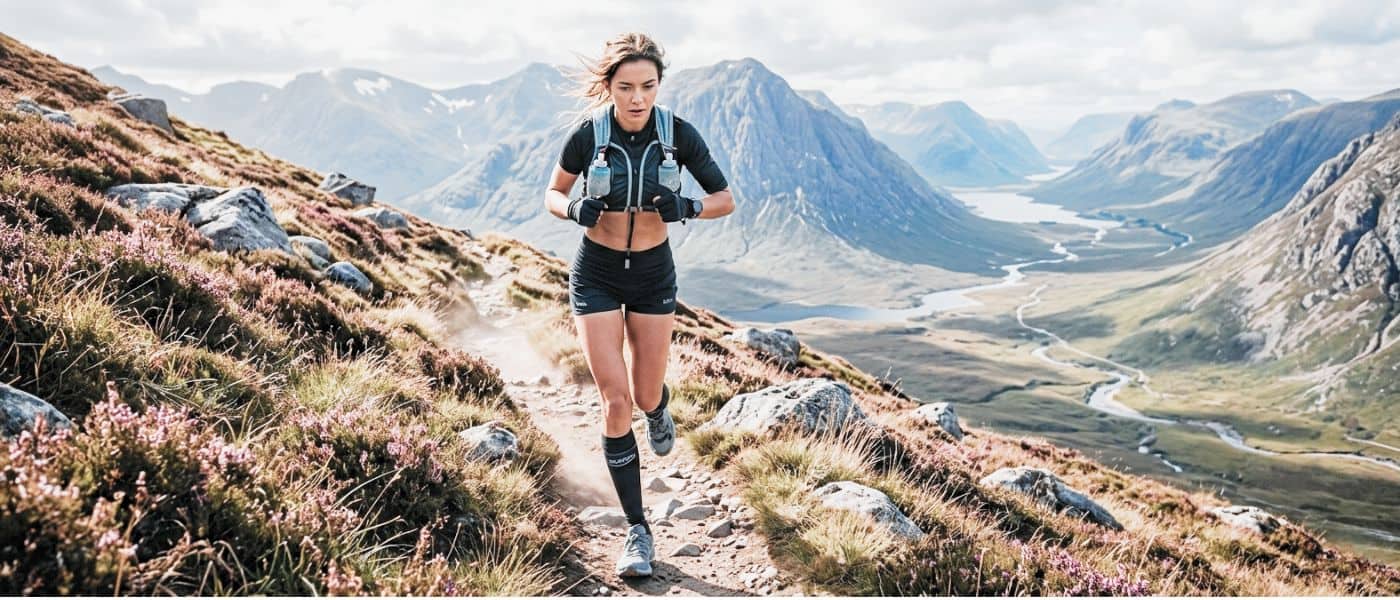
Fancy swapping road running on tarmac for something a bit more wild? Brilliant! Trail running is a fantastic way to explore the UK’s stunning countryside, challenge yourself, and discover a whole new side to running. But if you’re new to it all, it can seem a bit daunting. Don’t worry! This guide will walk you through the basics. It is a no nonsense, straight to the point guide that will get you up to speed with everything you need to know to become a Trail Runner.
What is Trail Running?
Put simply, trail running is running off-road on trails. Think woodland paths, moorland tracks, gravel paths, sandy seaside tracks and mountain trails. It’s all about embracing the natural terrain and enjoying the journey.
Why Trail Run?
Connect with Nature: Escape the village, town or city and immerse yourself in the beauty of the British countryside. Explore your local footpaths, beauty spots and step away from the urban jungle.
Challenge Your self: Trail running offers varied terrain and uneven terrain with hills, rocks, mud, gravel and roots, providing a great full-body workout and it keeps your mind sharp as you navigate the terrain.
Reduce Impact: Softer surfaces like dirt, sand and grass can be kinder to your joints compared to pavement.
Find Your Peace: Enjoy the tranquillity and mental escape that trail running provides.
Key Trail Running Terms to Know:
Single Track: A narrow trail where you can only run in single file.
Technical Trail: A trail with challenging features like rocks, boulders, styles, tree roots, gravel and steep sections.
Elevation Gain: The total vertical distance climbed on a run.
Trail Etiquette: Unwritten rules to ensure everyone enjoys the trails (we’ll cover this more later!).
Trail Running Gear:
Trail Running Shoes: These have grippy outsoles for traction and often offer more protection for your feet. They offer Rock Plates under the mid sole cushion so nothing can penetrate your foot from beneath. Waterproof or breathable Uppers. Come in Zero drop (Heal to toe drop) to wide toe boxes and more.
Hydration and Energy: Carry water with you, especially on longer runs. A hydration pack or a handheld bottle is a good idea. Food, natural energy or energy gels for nutrition on longer runs.
Navigation: Familiarise yourself with the trail or use a map or GPS device (OS Maps is a great resource for UK trails).
Tips for Beginners:
Start Slow: Begin with shorter local trails, easier trails and gradually increase distance and difficulty.
Walk the Hills: Don’t be afraid to walk uphill sections, especially when starting out.
Focus on Foot Placement: Pay attention to where you step to avoid tripping over obstacles.
Be Prepared: Check the weather (it can be unpredictable in the UK!), tell someone where you’re going, and carry essentials like a phone, a whistle and trail running specific first-aid kit.
Respect the Trail: Leave no trace, yield to others, and be mindful of wildlife and livestock.
- Join a Group: Most towns will have a nearby trail runners group, joining gives you direct access to the team’s expertise, experience and knowhow, in valuable.
Trail Etiquette 101:
Uphill Runners Have the Right of Way: If you’re running downhill, step aside to let uphill runners pass.
Pass with Courtesy: Let others know you’re passing (“passing on your right/left!”) and give them space.
Leave No Trace: Pack out any rubbish and stay on marked trails.
Be Considerate of Others: Remember that you might encounter walkers, cyclists, and horse riders on the trails.
Ready to Hit the Trails?
Trail running is an incredibly rewarding experience. Start slow, be prepared, and most importantly, have fun exploring the amazing trails the UK has to offer!
Articles You May like



Gear Guides


