

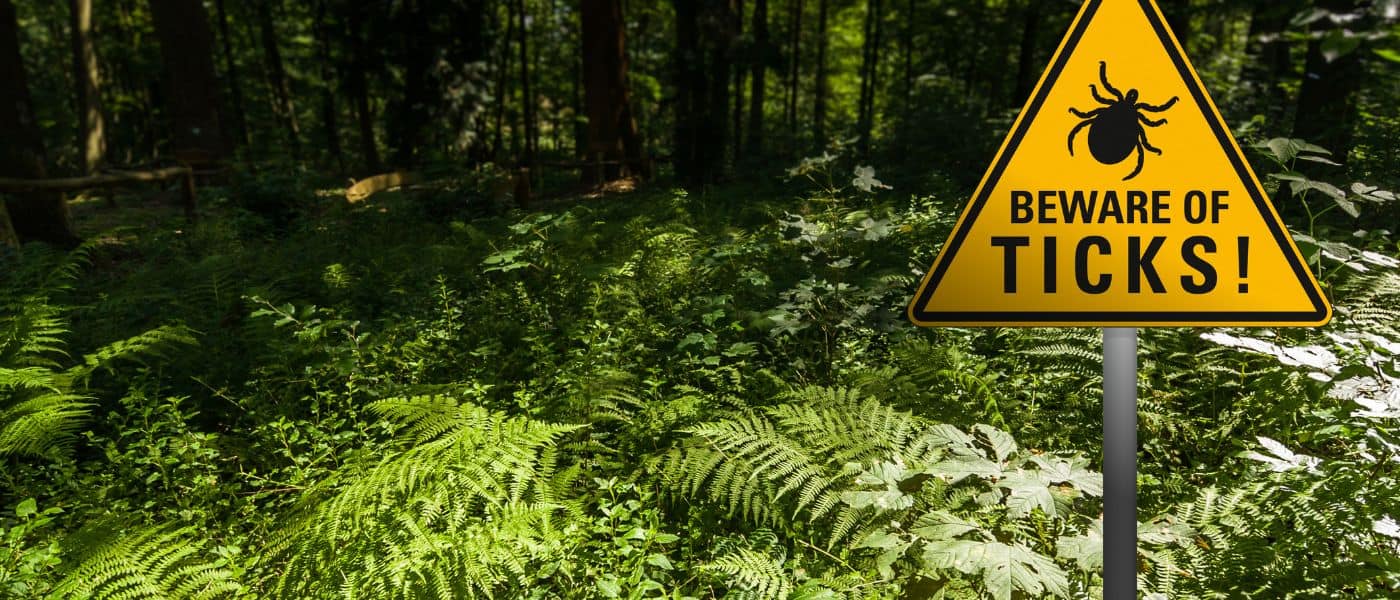
The stunning landscapes of the Scottish Highlands beckon adventurers year-round. However, this year has seen a surge in tick populations, raising concerns for those exploring the outdoors. While it’s important to be aware of the increased risk, with some knowledge and precautions, you can still safely enjoy all that the Highlands have to offer. Scottish Ticks Stay Safe, Stay Informed.
Understanding Ticks and the Risks
Ticks are tiny, spider-like creatures that thrive in grassy and wooded areas. They attach themselves to humans and animals, feeding on blood. While most tick bites are harmless, some ticks can carry bacteria that cause diseases like Lyme disease. Recognizing the signs of a tick bite and taking prompt action is crucial.
What do Deer Ticks Look Like?
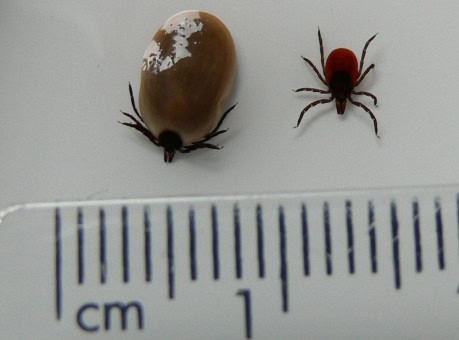
Deer ticks are brown and roughly the size of a poppy seed or the tip of a pencil. They are significantly smaller than typical dog or cattle ticks, making them more difficult to detect. Ticks that feature “white collars” or have a “white blotch” on their back are not deer ticks and do not transmit Lyme disease.
Signs of a Tick Bite:
- A small, red bump at the bite site
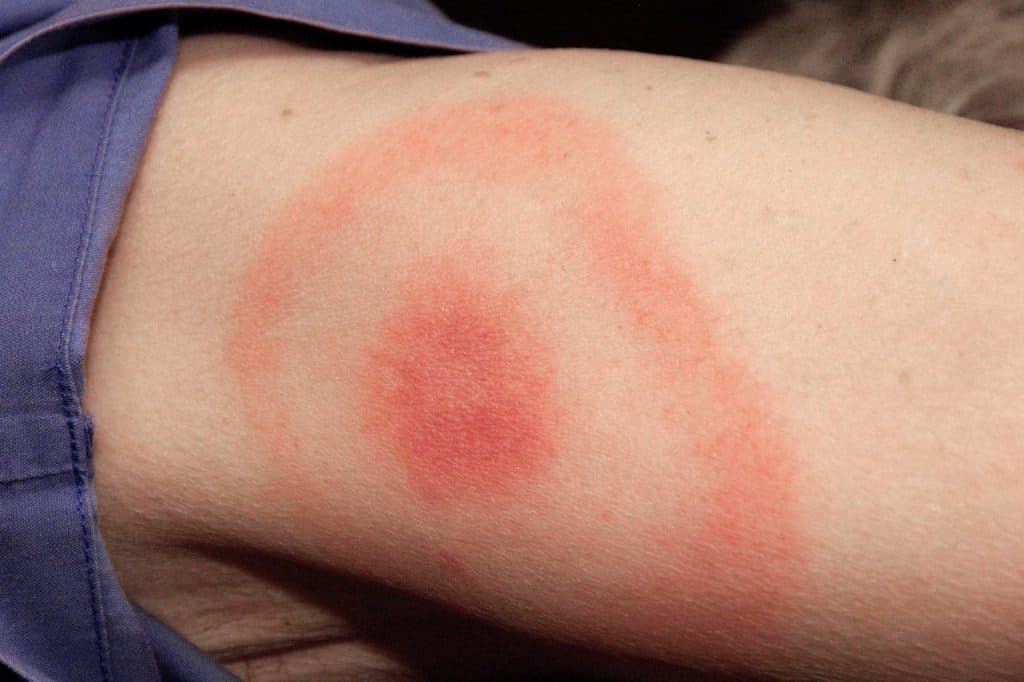
- A rash that may develop around the bite (often a bull’s-eye pattern)
- Flu-like symptoms (fever, fatigue, muscle aches)
Preventing Tick Bites:
Cover Up: Wear long-sleeved shirts, long trousers tucked into socks, gaiters and closed-toe shoes. Light-colored clothing makes ticks easier to spot.
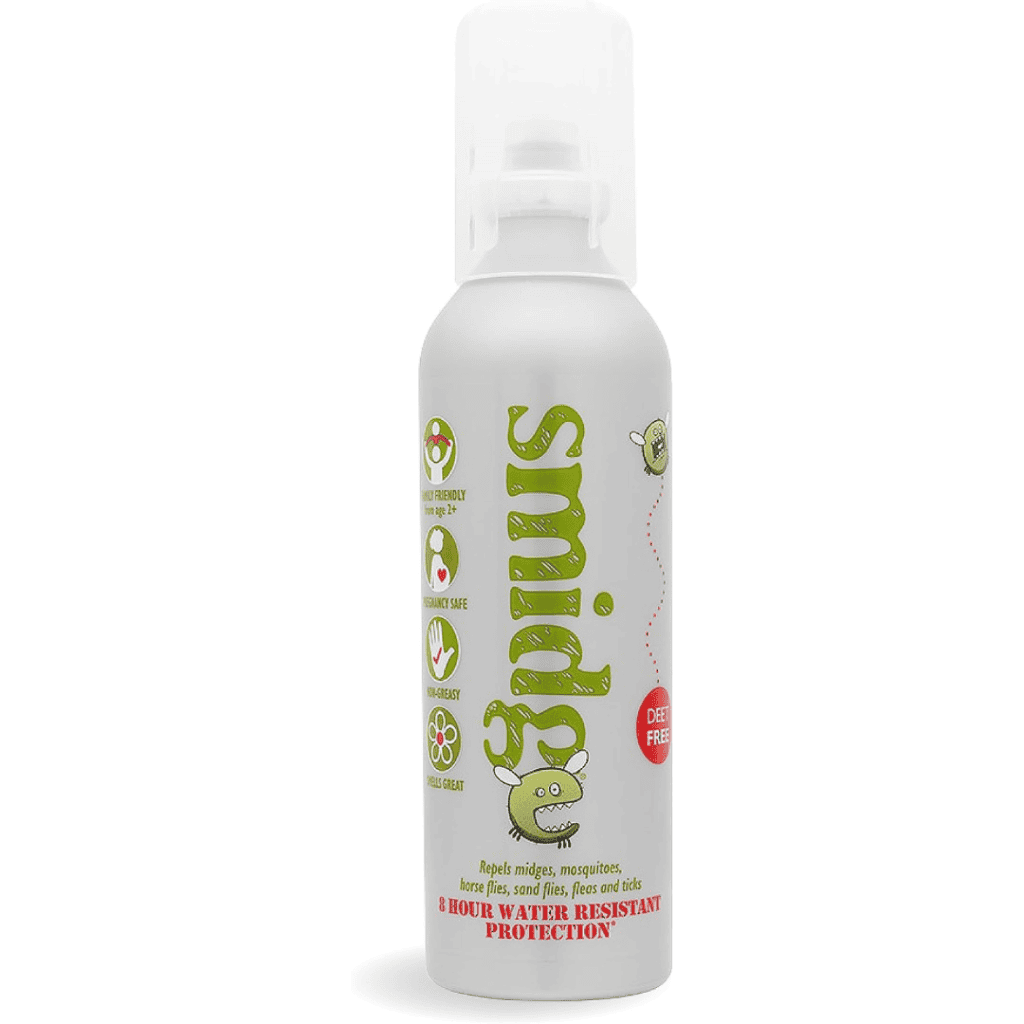
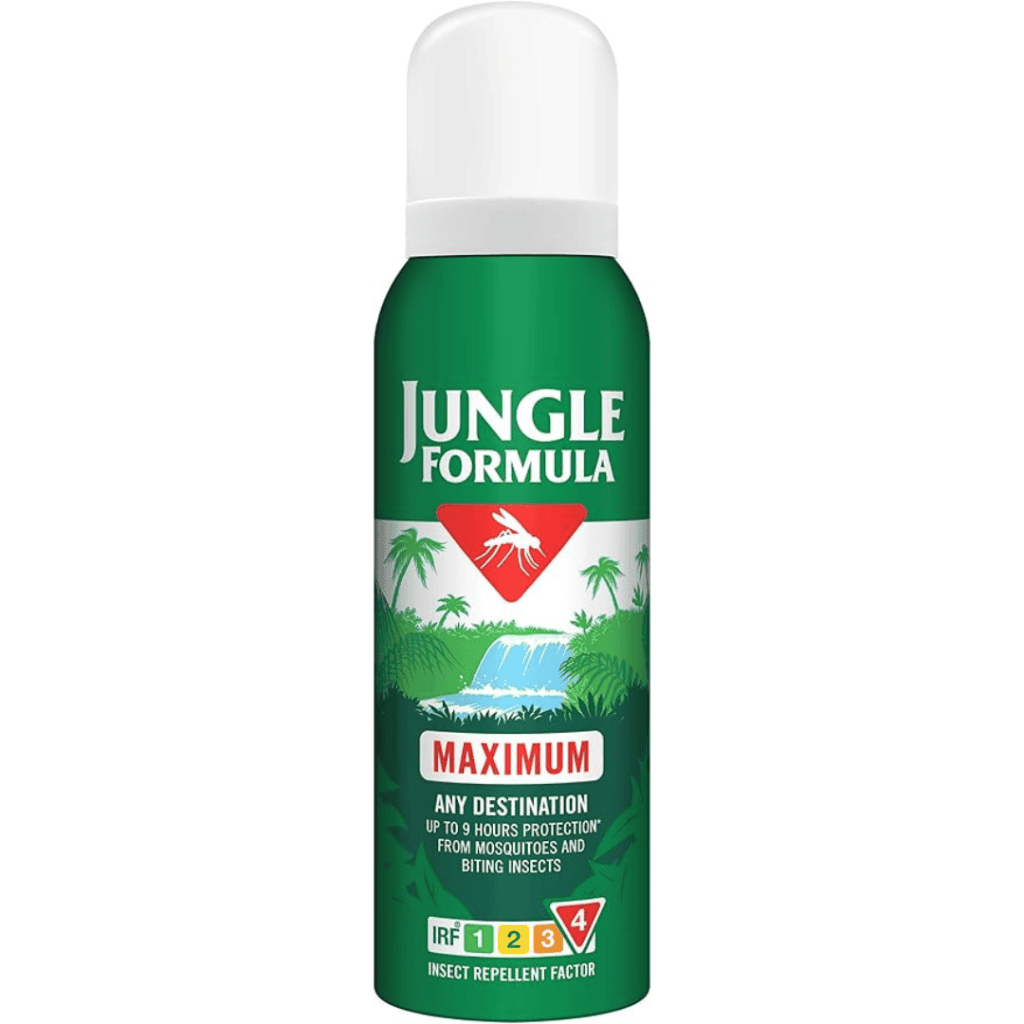
Use Insect Repellent: Apply a repellent containing DEET or picaridin to exposed skin and clothing.
Stick to Trails: Avoid walking through tall grass where ticks are likely to be found.
Check for Ticks Regularly: After spending time outdoors, carefully check your entire body for ticks, paying close attention to areas like the hairline, armpits, groin, and behind the knees.
Post-Outdoor Checks
Thorough checks after spending time outdoors are essential:
- Perform a full-body tick check: Inspect yourself carefully, paying close attention to areas like the scalp, hairline, armpits, groin, and behind the knees. Use a mirror or enlist someone’s help for hard-to-reach areas.
- Check your gear: Ticks can cling to clothing, backpacks, and other equipment. Inspect them thoroughly before bringing them indoors.
- Shower promptly: Showering within two hours of being outdoors can help wash away any unattached ticks.
Removing a Tick:
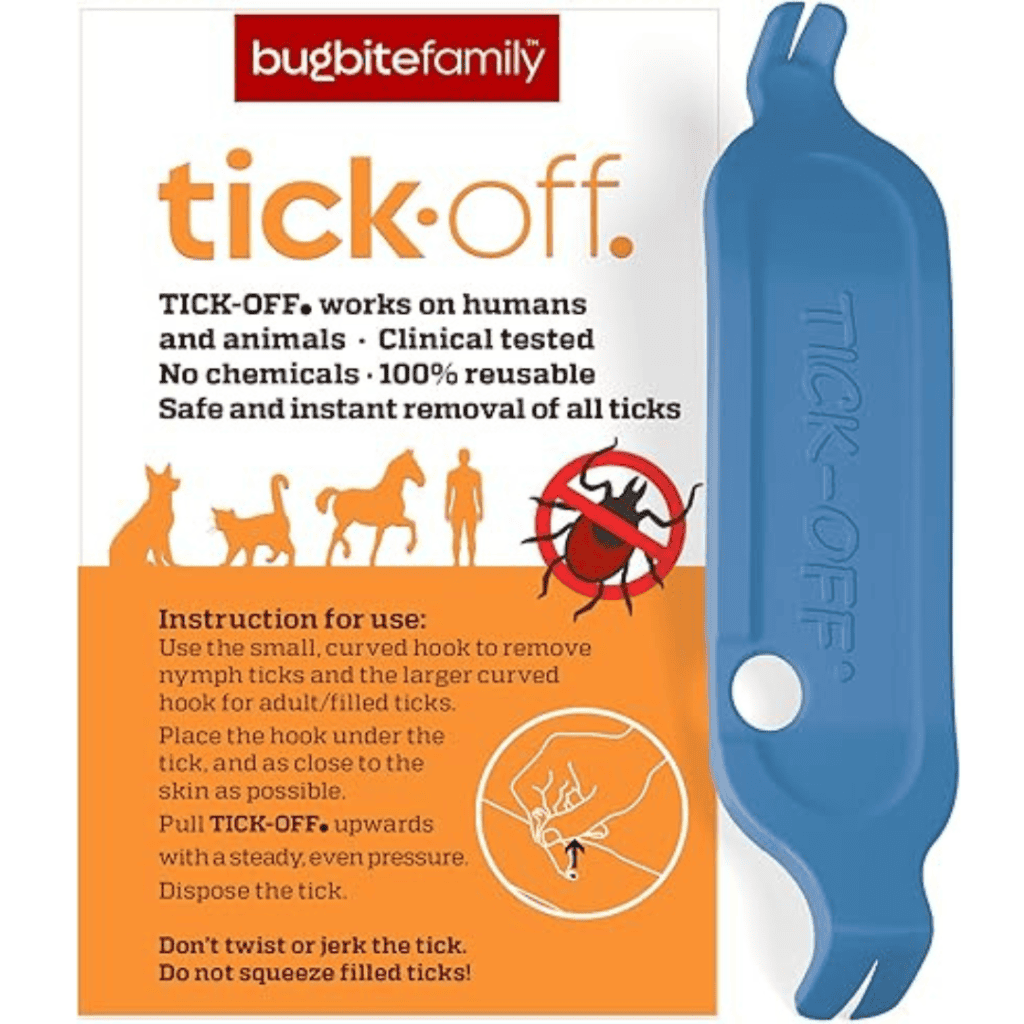
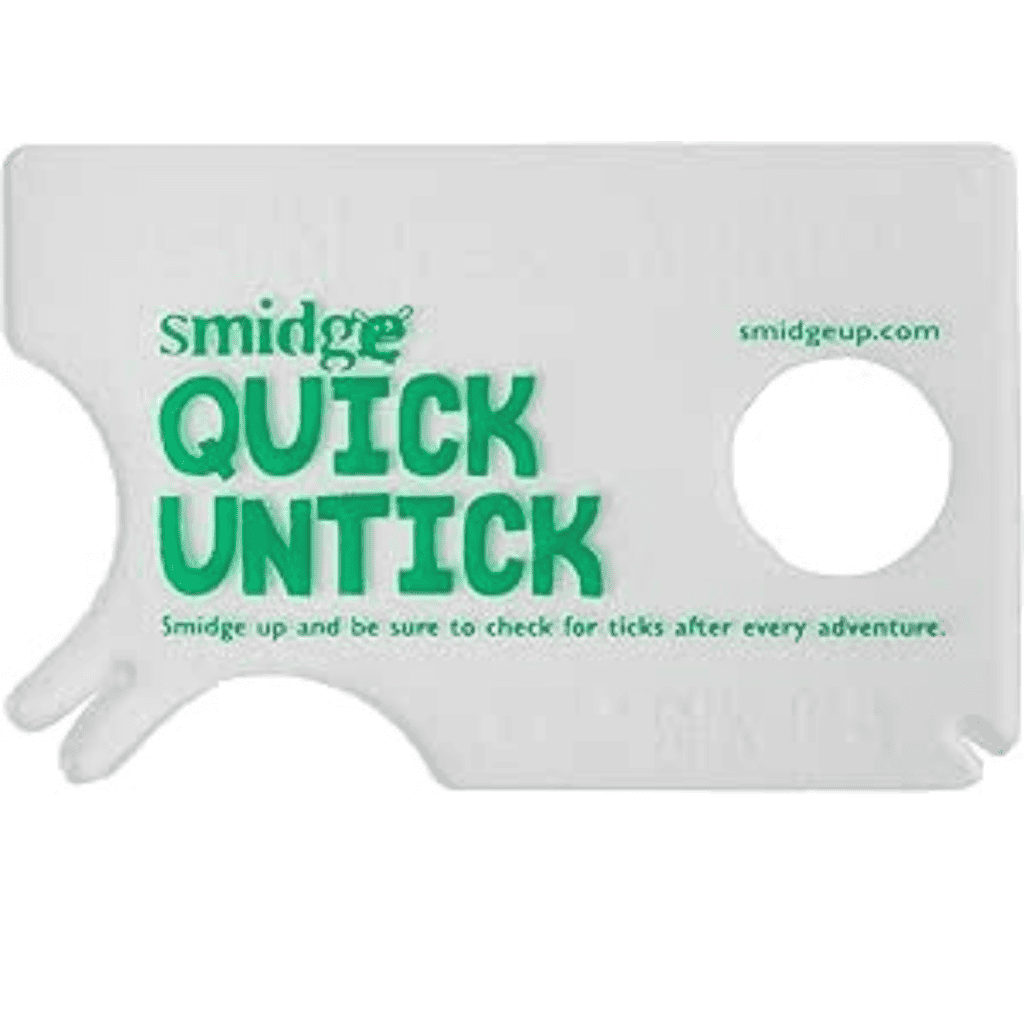
- Best is to use a tick hook
- Slide it under, and pull it upward with steady, even pressure. Avoid twisting or jerking the tick, as this can cause the mouth parts to break off and remain in the skin.
- Clean the bite area with rubbing alcohol or soap and water.
- Monitor the bite site for any signs of infection.
- Avoid using a lit cigarette, match, or essential oils to help remove the tick, and refrain from squeezing the tick (particularly if it is swollen with blood) as this may force the fluids from the tick back into your system.
- Further Reading
Recommended Tick Products:
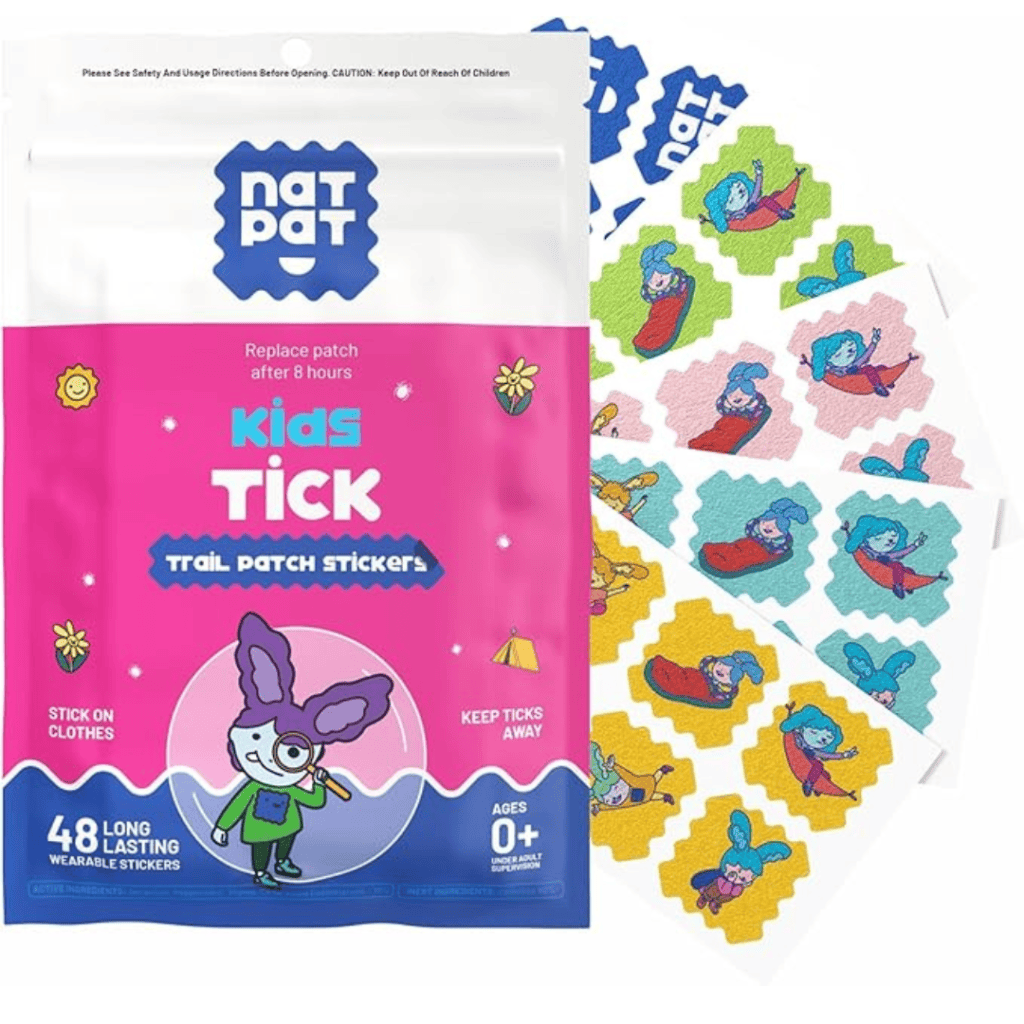
Insect Repellents
Tick Removal Tools

Staying Safe in the Highlands:
Remember, the increased tick presence shouldn’t deter you from venturing into the beautiful Scottish outdoors. By following these preventive measures and knowing how to handle tick encounters, you can confidently explore the Highlands, the woodlands, forests, Scotland and the great outdoors.
Additional Tips:
- Shower after being outdoors.
- Wash your clothes in hot water or tumble dry on high heat to kill any ticks that may be clinging to them.
- If you develop any symptoms after a tick bite, consult a healthcare professional.
Further Reading
For more information on ticks and Lyme disease, consult these resources:
- NHS: Lyme disease information: https://www.nhs.uk/conditions/lyme-disease/
- LDUK: https://lymediseaseuk.com/
Lyme Disease: A Cause for Concern
Lyme disease is a bacterial infection transmitted by certain tick species. While not all ticks carry the bacteria, it’s important to be aware of the potential risk. Early symptoms of Lyme disease can include a rash (often a bull’s-eye pattern), fever, fatigue, and muscle aches. If left untreated, Lyme disease can spread to other parts of the body, causing more serious complications. If you experience any symptoms after a tick bite, seek medical attention promptly. Early diagnosis and treatment with antibiotics are crucial for preventing long-term health issues.
Seek Medical Advice
If you develop any symptoms suggestive of Lyme disease, such as a rash, fever, or fatigue, consult your doctor immediately. Early diagnosis and treatment are crucial for managing Lyme disease effectively.
By taking these precautions and staying informed, you can confidently enjoy the UK’s outdoors while minimizing the risk of tick-borne diseases. Remember, awareness and preparedness are key to staying safe.
The Scottish Highlands are still waiting to be discovered. Be prepared, be vigilant, and embrace your next adventure!
Disclaimer: This article is intended for informational purposes only and should not be considered a substitute for professional medical advice
Articles You May like

Gear Guides


