
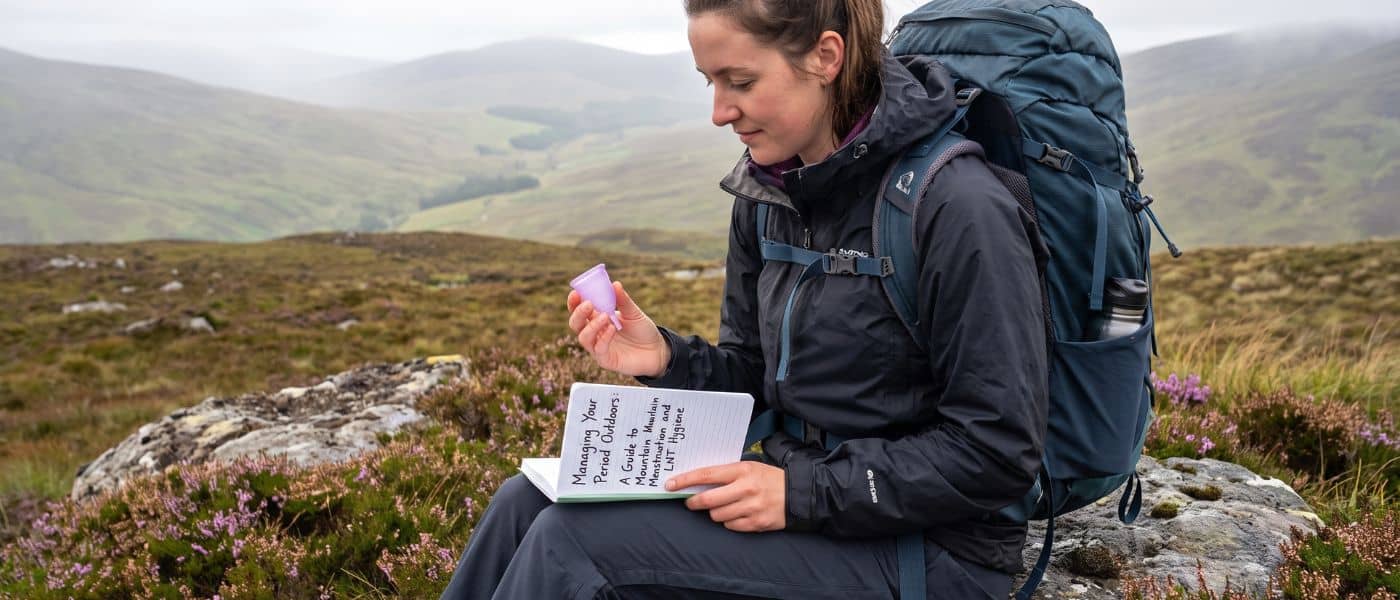
Taking on a multi-day expedition in the hills—whether paddling a remote river or trekking a mountain range—comes with endless logistics. While most pre-trip briefings cover route planning, layering systems, and shelter setup, one vital topic is often left in the shadows: how to manage menstruation responsibly in the wild.
Normalising discussions around “adventure wees, poo’s with views, and mountain menstruation” is essential for safe, inclusive, and environmentally friendly outdoor experiences. Having your period in the outdoors is normal. Here is a practical, field-tested guide to managing your period using a menstrual cup while adhering strictly to Leave No Trace (LNT) principles.
Why Menstrual Cups Are the Gold Standard for Expeditions
For multi-day backcountry trips, menstrual cups outperform traditional single-use options:
Zero Waste: Eliminates the need to pack out heavy, used pads or tampons in sealed plastic bags for days at a time.
Space & Weight Efficiency: Replaces packs of single-use period products with one compact, lightweight item.
Long-Wear Convenience: Offers extended wear time compared to tampons, minimising unnecessary stops on the trail. Hygienic and reusable.
Step-by-Step: Disposing of Period product Waste Responsibly
Emptying a menstrual cup in the wilderness follows the exact same sanitation protocol as digging a standard cat hole: Read our guide to Pooing outdoors here. https://www.bestoutdoors.co.uk/bushcraft/essentials-for-making-a-backpacking-poop-kit/
Find the Right Spot: Walk at least 200 feet (60 meters / roughly 70 adult paces) away from trails, campsites, and all natural water sources.
Dig a Cat Hole: Use a lightweight trowel to dig a hole 6 to 8 inches/ 15 to 20cm deep in soil.
Empty and Flush: Pour the contents directly into the cat hole. Use a small amount of clean drinking water from your bottle to flush the hole and rinse the cup.
Cover Your Trace: Fill the hole completely with the displaced soil, replacing any turf, rock, or leaf litter so the ground appears undisturbed.
Hand Hygiene and Field Sterilisation
Maintaining high hygiene standards without running water requires a deliberate routine to prevent infection:
Hand Cleanliness: Wash hands thoroughly with biodegradable soap away from water sources, or use an alcohol-based hand sanitiser before and after handling your cup.
Daily Rinsing: Use potable (filtered or boiled) drinking water to rinse the cup before reinsertion.
Mid-Trip Sterilisation: Pack a small, dedicated aluminum or titanium pot used exclusively for hygiene items (keep this strictly separate from camp cookware). Bring clean water to a rolling boil, submerge the cup for 3 to 5 minutes (follow manufacturer’s guidance), and allow it to cool fully before use.
Pro-Tip: The Ultimate Backcountry Backup
For high-movement activities like scrambling, paddling, or heavy backpack hauling, pair your menstrual cup with period pants/ period underwear. This creates a comfortable, low-maintenance safety net against minor leaks without adding disposable rubbish to your kit.
Normalising Hiking Hygiene
Managing a period outdoors is simply a standard logistical detail of outdoor travel. Normalising these discussions empowers adventurers of all experience levels to explore with confidence, managing periods, maintaining health, and preserving wild spaces for everyone who follows.


